What is an online business?
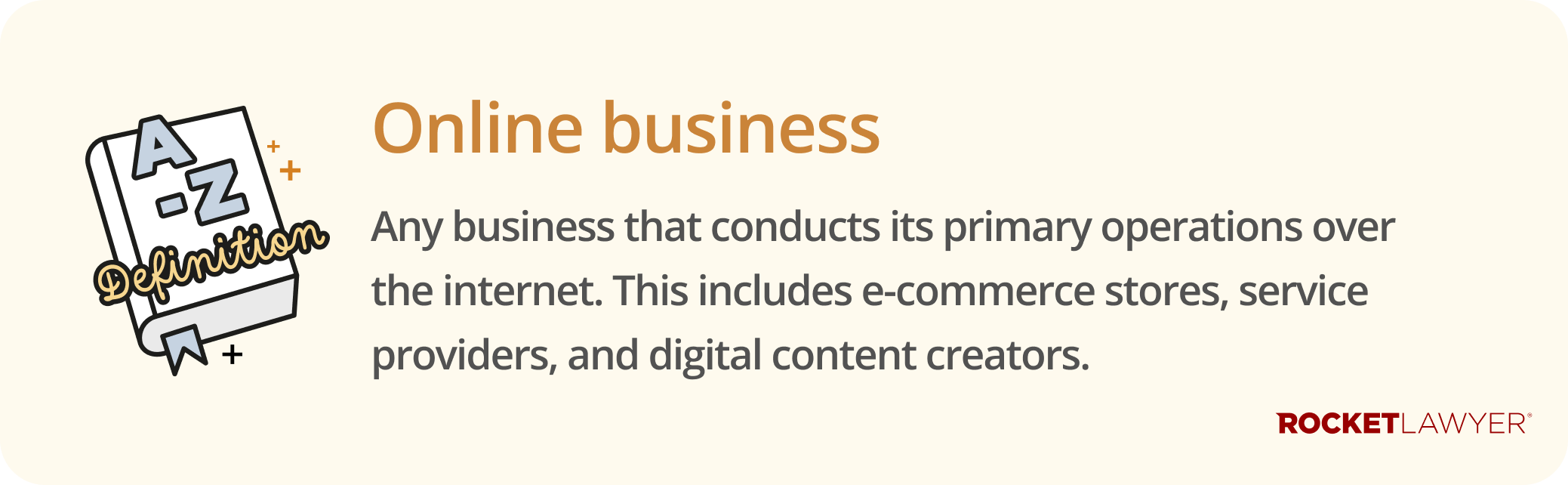
An online business is any venture that trades products or services primarily via the internet. Whether you’re selling handmade crafts on a marketplace or offering consultancy via your own site, you’re governed by e-commerce laws. These rules ensure that customers know who they’re buying from and what their rights are.
To remain compliant, you must provide clear contact information and follow the specific rules for digital contracts. Most businesses choose to use professional legal documents to meet these requirements.
Checklist for running your online business
The legal requirements depend on whether you're selling to consumers (ie private individuals) in a B2C transaction or to other businesses in a B2B transaction. If you sell to consumers, you must follow strict distance-selling rules that provide buyers with additional protections, such as cancellation rights. If you sell to other businesses, you’re exempt from many consumer-specific rules, but you must still follow e-commerce and data protection laws.
Use the checklist below to start your e-commerce business and manage your ongoing legal obligations:
Action |
(✔) |
| Register a domain name for your website to give your business its own unique digital address. | |
| Set up an email address and choose an email marketing platform to send emails to your customers about their transactions, as well as to potential and past customers about new products, services, and promotions. Make sure to include any legally required information (if applicable to your business) in emails, using an Email footer and disclaimer. |
|
| Understand the rules around cookies and gain user consent for 'non-essential' cookies through a clear affirmative action (like an opt-in box). | |
| Use a Website privacy policy to tell your website users what personal data you are collecting and how you use it, what cookies your website uses, why they are being used, and what they’re doing. If you want a separate cookie policy (rather than including cookies in your privacy policy), consider creating a Cookie policy. |
|
| Be sure to understand the laws and regulations governing the processing and international transfers of personal data; your obligations when individuals make a data protection request; how to protect personal data; how to report a data breach; how to obtain user consent; and how to comply with the GDPR. | |
| Make a Data protection policy to inform your employees about how you use their data and what principles they must follow when handling others’ personal data. | |
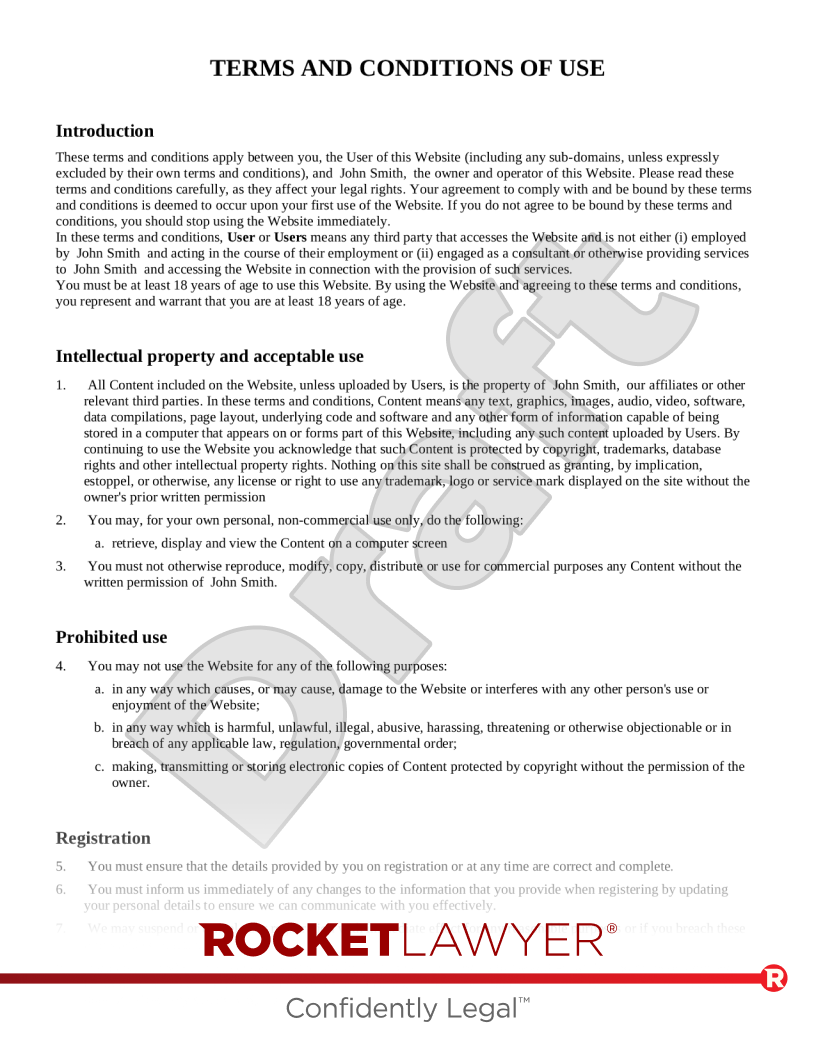
| Adopt clear Website terms of use to comply with the Electronic Commerce Regulations and clearly set out key issues, including acceptable website use, registration and passwords, intellectual property, links to other sites, and disclaimers of responsibility. | |
| Prepare Terms and conditions (either for B2C or B2B) to set out the rules and specifications for every transaction you make. | |
| Outline your returns and cancellation processes. For B2C, you must offer a 14-day 'cooling-off' period for most items. You can make a Returns policy to clearly state these rights. | |
| Stay informed about the laws and regulations governing the marketing or advertising of your products or services, as well as endorsements. | |
| Use an Affiliate agreement to lay out the terms, commission, and conduct if you use an affiliate programme or influencers. |
How do I protect my online brand?
Your brand's identity (including your name, logo, and original website content) is a valuable business asset that requires protection. You should use your Website terms and conditions to state clearly that you own the intellectual property on your site and that users aren't allowed to copy or redistribute it without your permission. It is also a good idea to include a Copyright notice or disclaimer on your website to assert your copyright.
To gain the strongest legal protection, you should consider registering your brand marks officially. This allows you to take legal action more easily if a competitor tries to use a similar name or design. For more information, read How to register a trade mark and consider using our Trade mark registration service.
What are the rules for digital services and subscriptions?
Selling digital content (like downloads or streaming) or subscription-based services involves different rules than selling physical goods.
If you offer subscriptions, you must be transparent about the contract length, any auto-renewal terms, and how the customer can cancel. To ensure your checkout process meets these specific standards, read Legal requirements for online businesses.
For digital downloads, a consumer's 14-day right to cancel can usually be waived as soon as the download starts. However, this only applies if the customer has given their express consent and acknowledged that they'll lose their cancellation right. For more information, read Consumer rights when purchasing digital content.
For more information, read E-commerce and Legal requirements for online businesses. If you need to formalise your e-commerce business’s rules, you can make the relevant Terms and conditions for a website, Website terms of use, and a Returns policy. Do not hesitate to Ask a lawyer if you have any questions.