
What is a sitting tenant?
A sitting tenant is someone who stays in their rented home while the landlord sells it or after the sale completes. If you're a sitting tenant in England, you don't have to leave just because the building is being sold. The existing tenancy agreement stays valid, and the person who buys the property becomes your new landlord.
Under the Renters’ Rights Act 2025, most private residential tenancies are now periodic (ie rolling), so there's no 'fixed term' that ends. The new landlord must honour the existing terms, including the rent amount and the sitting tenant’s right to live in the property. They cannot simply ask the tenant to leave because they've bought the house; they must have a specific legal reason to end the tenancy.
Is it legal for a landlord to sell a property with tenants renting it?
It is legal for a landlord to sell their property even with tenants still living in and renting the property, although a landlord may need to offer the right of first refusal to ‘qualifying tenants’. After the sale, the new landlord takes over the Tenancy agreement between the old landlord and the tenant. Despite the new ownership, the tenant's rights are protected based on the pre-existing contract, and the new owner is bound to recognise this contract based on existing laws.
The new owner must:
-
provide the tenant with their name and contact details within 21 days of the sale
-
continue the tenancy on its current terms
-
only end the tenancy if they have a valid legal ground, such as wanting to move into the property themselves
Your rights if your landlord decides to sell the property
A tenancy agreement between a tenant and their landlord protects their rights. Tenants have certain rights and responsibilities, which help protect them under the law even if the landlord decides to sell their property. Since 1 May 2026, your rights are stronger than ever thanks to the Renters’ Rights Act 2025.
The right to know who your landlord is
Knowing your landlord is a crucial part of any tenancy agreement. Together with your rights, your landlord is bound by their responsibilities as a property owner, including keeping their property safe, ensuring all gas and electrical equipment is well-maintained, returning your deposit, and more. As a tenant, you have the right to know your landlord, whether old or new, who is responsible for maintaining the property you’re renting, and who you’re supposed to pay rent to. As a tenant, you also have the right to request significant documents to confirm the sale and ownership of the property to a new landlord to avoid potential conflicts, like continuously paying rent to an unauthorised person.
The right to live in the property undisturbed
Also known as the right to quiet enjoyment, tenants are entitled to remain and live in their properties undisturbed, provided there is an existing and valid contract between them and the landlord.
If your landlord wants to show the property to buyers, they must:
-
give you at least 24 hours' written notice
-
visit at a reasonable time
-
get your permission
You can refuse viewings if they're too frequent or if the time doesn't suit you. Because no-fault evictions have been abolished since 1 May 2026, your landlord cannot evict you simply because you won't allow constant viewings.
The right to be protected from unfair eviction
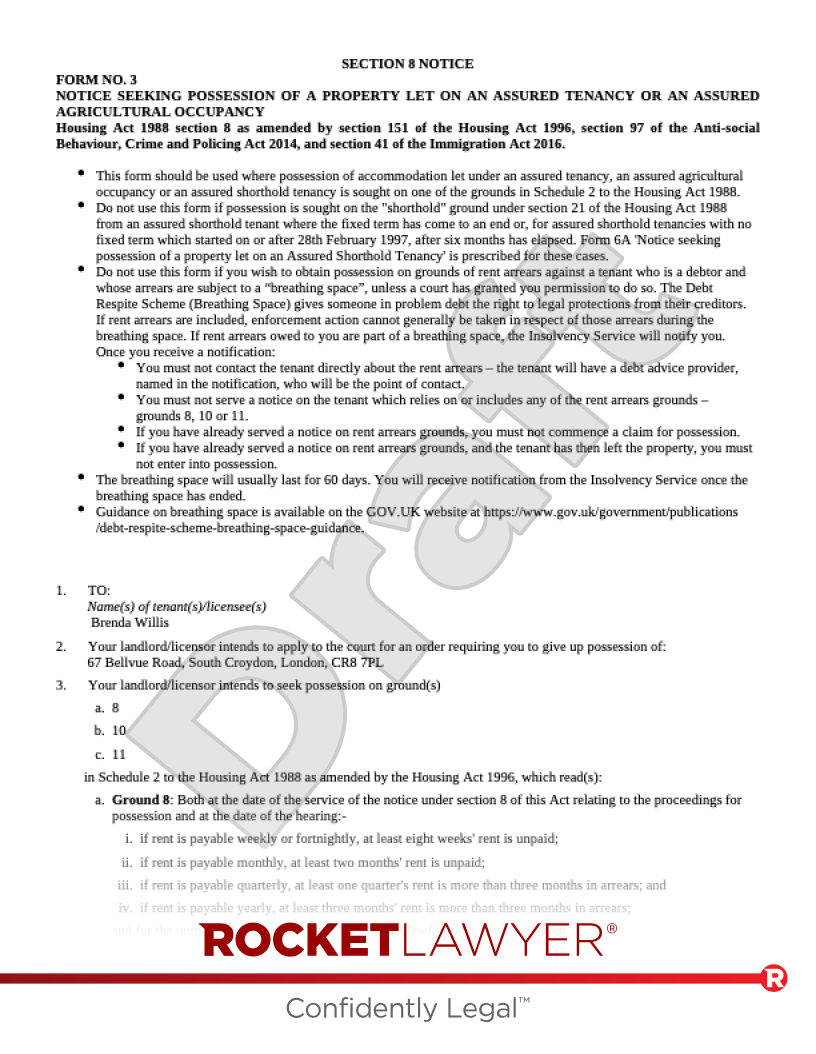
If a landlord wants to sell their property without a sitting tenant, they now have to rely on Ground 1A under a Section 8 eviction notice. They can only use this ground if
-
the tenancy has been running for at least 12 months
-
they give you four months' notice
-
they genuinely intend to sell the property
You have the same protection if a new landlord takes over. A new owner cannot immediately evict you just because they've bought the property. To evict a sitting tenant, a new landlord must also use a section 8 notice and prove a valid legal ground for eviction.
For example, if they want to move into the home themselves, they must wait until you've lived there for at least 12 months and give you four months' notice. They are also banned from re-letting the property for 12 months after the notice is served to ensure the eviction is genuine. For more information, read Evicting a tenant and Grounds for eviction and possession.
Rights related to rent and deposits
When a property is sold, your financial protections remain the same.
Your new landlord is legally required to ensure your deposit stays in a government-approved deposit protection scheme. You don't need to pay a new deposit, and the new owner must give you the prescribed information about where your money is held within 30 days of the sale.
As for your rent, the new landlord cannot just change the price because they feel like it. They must follow the legal process, which only allows for one rent increase per year. They must use a Section 13 notice, give you at least two months' notice of any increase, and ensure the increase is in line with local market rates. If you think the new rent is too high, you can challenge it at a tribunal.
Tenants' rights stay the same even when the property has a new owner. This includes the rights to know their new landlord, have quiet enjoyment of their home, and stay protected from unlawful eviction and rent increases.
For more information, read Renting property and Points to consider before you buy-to-let.
Do not hesitate to Ask a lawyer if you have any questions.