What is the Private Rented Sector Database?
The Private Rented Sector (PRS) Database (‘PRS Database’ or simply ‘database’) is a new national register of private landlords and the properties they let in England. It's being introduced under the Renters' Rights Act 2025, and landlords will access it through the government’s 'Register your rental property' service.
Registration is compulsory for every landlord with an assured or regulated tenancy.
The database does not replace local council licensing schemes (like selective licensing or HMO licensing) but sits alongside them. This means that if your property needs a local licence, you'll still need that licence in addition to your national database registration.
When do you need to register for the database?
Registration opens on 15 December 2026, beginning in the West Midlands and will roll out region by region over the following 12 months. This means:
-
your registration deadline depends on where your property is located, not where you live
-
once your region goes live, you will have a 3-month window to register
-
the final deadline for all landlords across the country is 14 November 2027
-
if you rent property in more than one region, you can register your entire property portfolio from 15 December 2026, rather than waiting for each regional registration start date
For details on the registration deadlines, see the government’s guidance on getting ready to register your property.
How much does it cost to register under the database?
Registration will cost £65 per property, per year. You will need to renew and pay again annually.
What happens if you don't register for the database?
Letting or advertising a property without it being registered can result in fines of up to £7,000 for a first or minor breach. This can increase to £40,000 or criminal charges for repeated breaches or for giving the database false or misleading information.
In addition to being fined, an unregistered landlord generally cannot get a possession order against a tenant, except on anti-social behaviour grounds.
Does the database apply to your property?
The database applies to your property if it is currently let or if it becomes let at any point during the rollout period.
If the property is empty and being marketed, you are not yet required to register, although this will change in the future, once registration numbers become mandatory on property adverts.
Who can register a property on the database?
Only the landlord can register a property, not the letting agent or property manager. You can agree with your agent that they'll enter certain information on your behalf, but you remain legally responsible for the registration and ensuring everything is submitted correctly.
What information do you need to provide when registering?
When registering, you'll need to provide a range of details about yourself and the property. This includes your details (as the landlord), the property address, ownership type and the number of bedrooms and occupants. You'll also need to declare the rent amount and payment frequency, along with whether bills are included in the tenancy. Finally, be prepared to upload the relevant safety documentation, including:
-
any HMO or licensing details, where they apply to your property
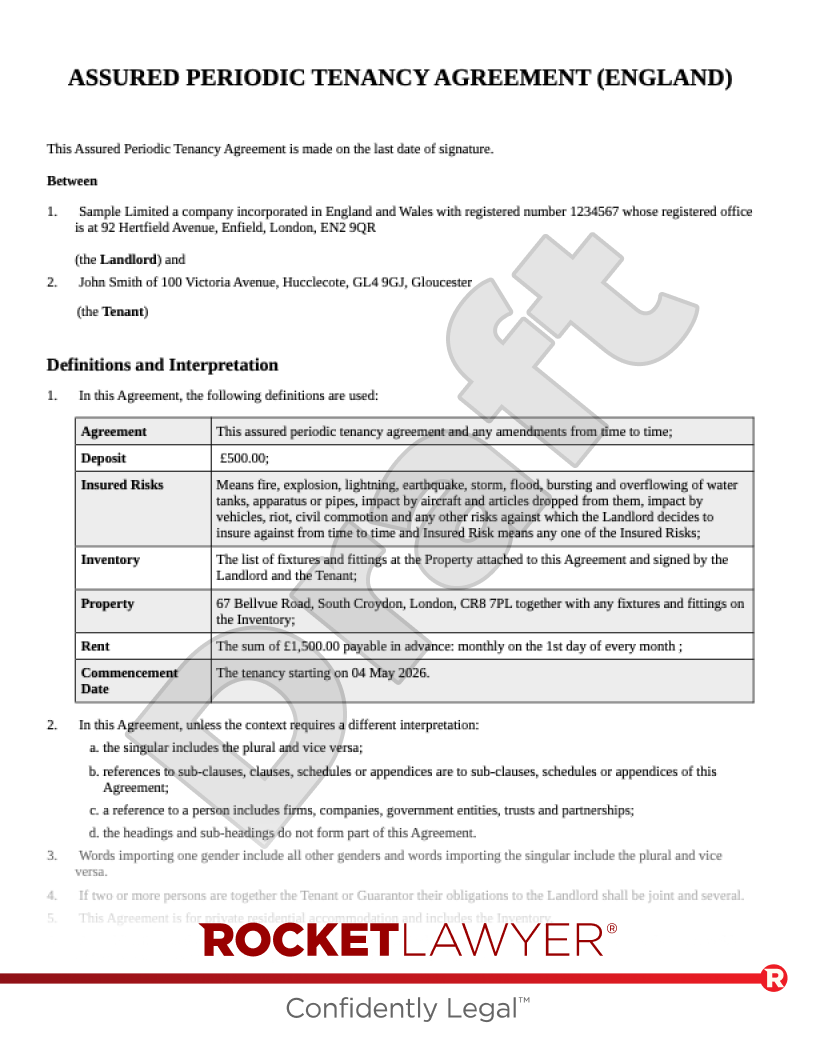
If you have any questions or concerns about these changes or how they affect you, do not hesitate to Ask a lawyer. If you're taking on a new tenant during the rollout, you can also prepare a Tenancy agreement to ensure your paperwork is in order from the start.