What is a micro-business?
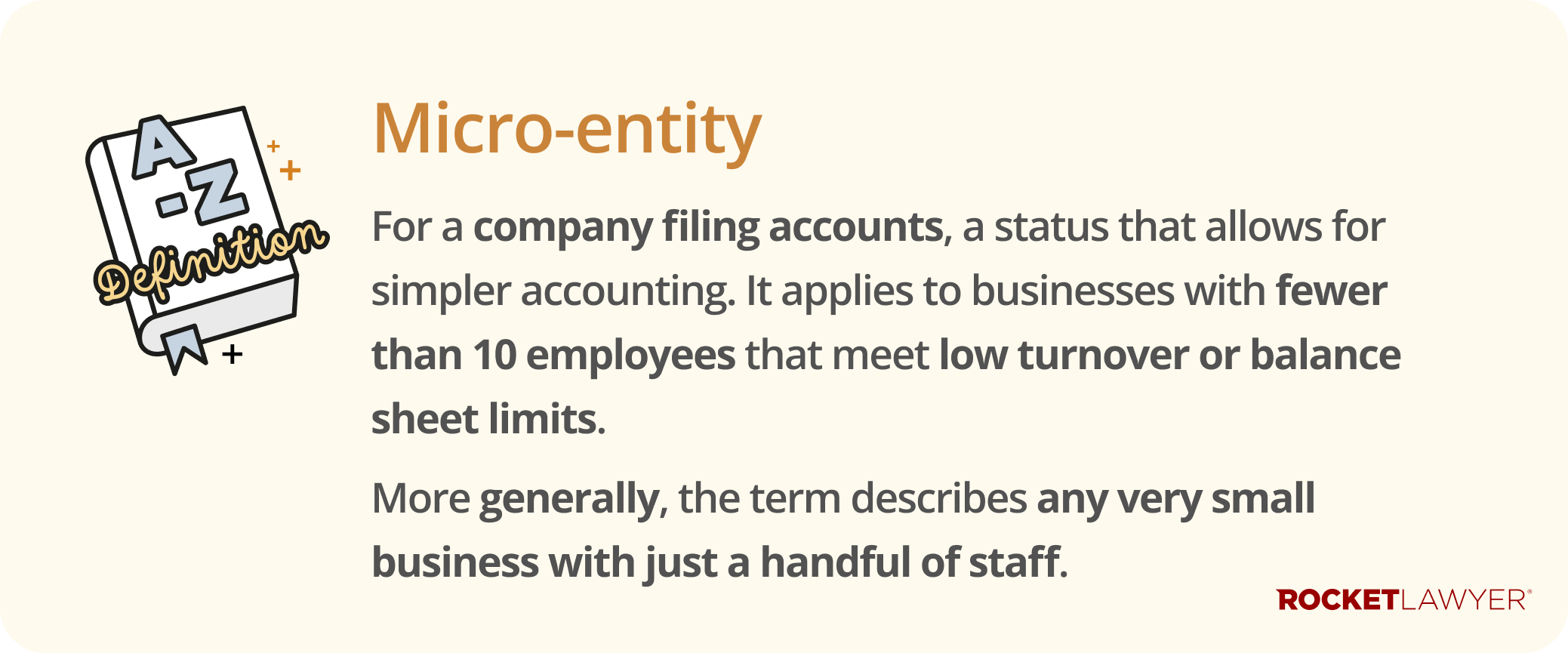
A micro-business (or micro-enterprise) is the smallest category of business, defined by its low number of employees and modest turnover. The term is often used interchangeably with ‘micro-entity'. Under the Companies Act 2006, a company qualifies as a micro-entity if it meets at least two of the following three criteria in a financial year:
-
a turnover of £1 million or less
-
its balance sheet total (ie the total value of assets it owns) is £500,000 or less
-
it has 10 or fewer employees
This definition is mainly used for accounting purposes, allowing eligible companies to file simpler accounts with Companies House.
However, the term micro-business is widely used more generally to refer to any very small business, including sole traders and partnerships that aren't legally required to file accounts. Here, the term ‘mico-business’ is applied as an informal, descriptive label to indicate its small scale of operation.
What legal structures can a micro-business have?
Micro-business is a size classification, not a formal legal structure. This means your micro-business will need to be set up under one of the recognised business structures. Choosing the right one is a key first step and depends on your personal circumstances, liability, and business goals. For a detailed comparison, read Choosing your business structure.
The most common options for businesses of this size are:
-
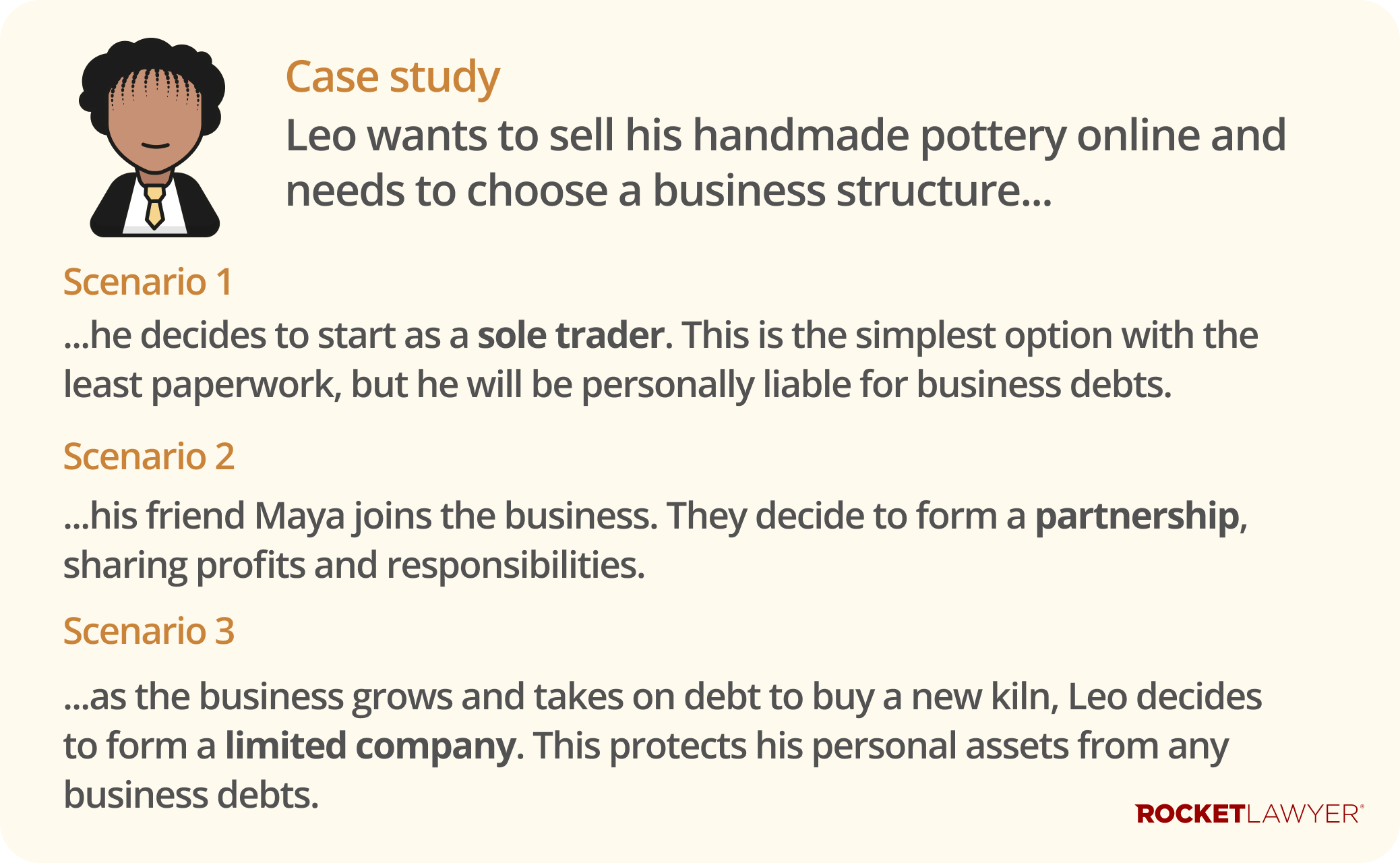
sole trader - this is the simplest way to start. You are the business and are personally responsible for its debts. There's minimal paperwork, and you just need to register with HMRC for a tax Self Assessment
-
private limited company (Ltd) - this creates a separate legal entity from you, the owner. This protects your personal assets if the business runs into debt. It appears more formal but involves more administrative work. You can use our Business registration service to incorporate
-
partnership - if you're starting a business with someone else, you can form an ordinary business partnership. All partners share responsibility for the business and its debts. You'll need to register the partnership with HMRC and make a Partnership agreement
What are the main legal responsibilities of a micro-business?
Even the smallest business has legal obligations. While the specifics depend on your business structure and industry, some core responsibilities apply to almost every micro-business. You must ensure you're correctly registered, paying the right tax, and complying with key regulations.
Do micro-businesses need to follow GDPR?
Yes, they do. The UK's data protection laws, including the General Data Protection Regulation (GDPR), apply to any organisation that processes (eg handles) personal data, regardless of its size. If you handle any personal data that can identify a living person (eg customer names, email addresses, or staff details), you must comply with data protection rules. This includes having a clear Data protection policy, Website privacy policy, Cookies policy, and responding to data requests. While there is a limited exemption for organisations with fewer than 250 employees regarding record-keeping, it only applies in specific, low-risk situations. Ask a lawyer to find out more. For most micro-businesses, compliance is mandatory. For more information, read Data protection.
What contracts do I need for my customers?
Solid contracts are vital to managing your relationship with customers and avoiding disputes. A good set of Terms and conditions sets out the rules for every transaction, covering key areas like payment, delivery, and returns. If you have a website, you should also have Website terms of use to govern how people can interact with it.
For more information on the specific rules you need to follow, read Legal requirements for online businesses and Contracts for customers.
What are my legal duties if I hire staff?
If you decide to hire staff, even just one part-time worker, you take on new legal responsibilities under employment law. You'll need relevant employment documents (eg an Employment contract or Zero hours contract) for your team. As your business grows, you may need other documents and HR policies, like an Employee handbook. Note that businesses with five or more employees are legally required to have a written Health and safety policy.
Do micro-businesses need insurance?
The insurance you need depends on what your business does. While things like public liability insurance are highly recommended, they aren't always a legal must. However, if you have any employees, you are legally required to have employers' liability insurance. For more information, read Business insurance.
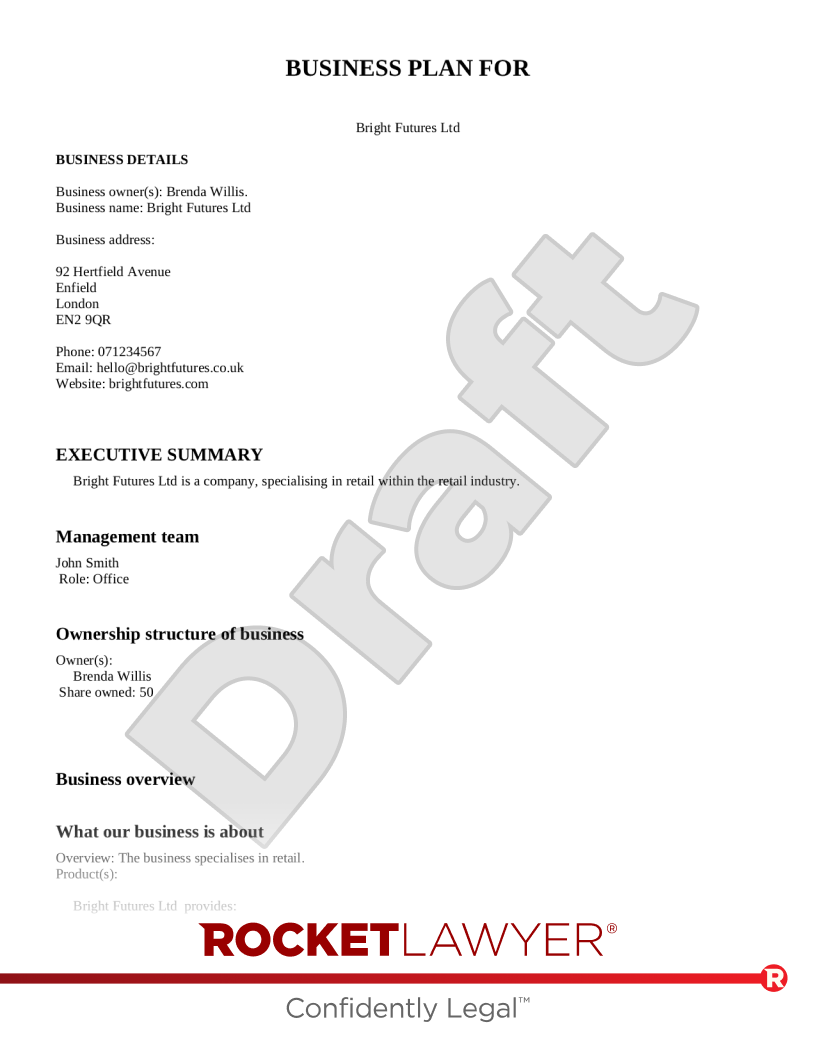
When you’re ready to get started, use our Business registration service to register your company or partnership. For more detailed planning, make a comprehensive Business plan. Do not hesitate to Ask a lawyer if you have any questions about your legal obligations.