What is a disciplinary appeal?
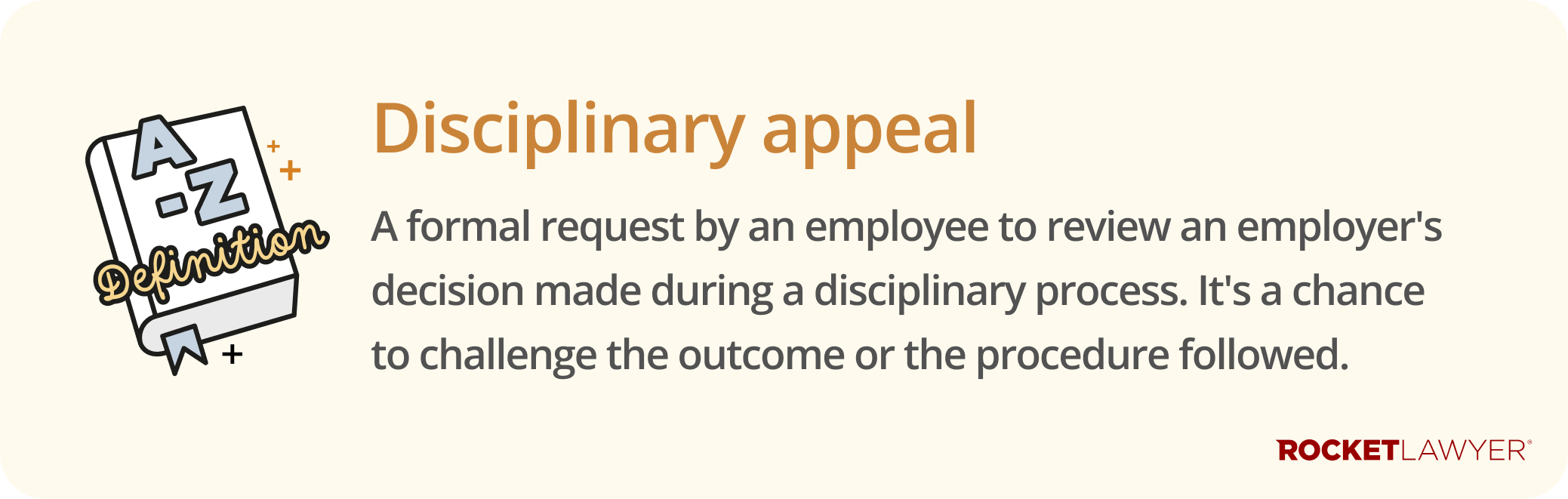
A disciplinary appeal is a formal opportunity for an employee to challenge a disciplinary decision made by their employer. It’s an essential step in ensuring fairness and transparency in the disciplinary process. Failing to offer an appeal can count against an employer if the matter ends up in an employment tribunal.
Employees may appeal if they believe:
-
the disciplinary outcome was too harsh
-
the decision was wrong
-
the disciplinary procedure was unfair
-
new evidence has come to light
-
they were unfairly dismissed
The appeal is a chance for the employer to review the case, check if the correct procedures were followed, and decide if the original outcome was fair.
Does an employee have a right to a disciplinary appeal?
While there isn't a specific law that grants every employee the right to an appeal, the Acas Code of Practice on disciplinary and grievance procedures (the ‘Acas Code’) states that employers should always offer one. Employment tribunals follow this code closely when deciding cases.
If an employer doesn't offer an appeal, a tribunal could view any resulting dismissal as unfair. This could also lead to an increase in any compensation awarded to the employee. It's therefore vital to check and follow your business's policies, which should be set out in your Staff handbook or Employment contracts.
What is the disciplinary appeal process?
The appeal process should be straightforward and handled without unreasonable delay. While it mirrors some parts of the initial disciplinary hearing, its focus is on reviewing the original decision.
Arranging the appeal hearing
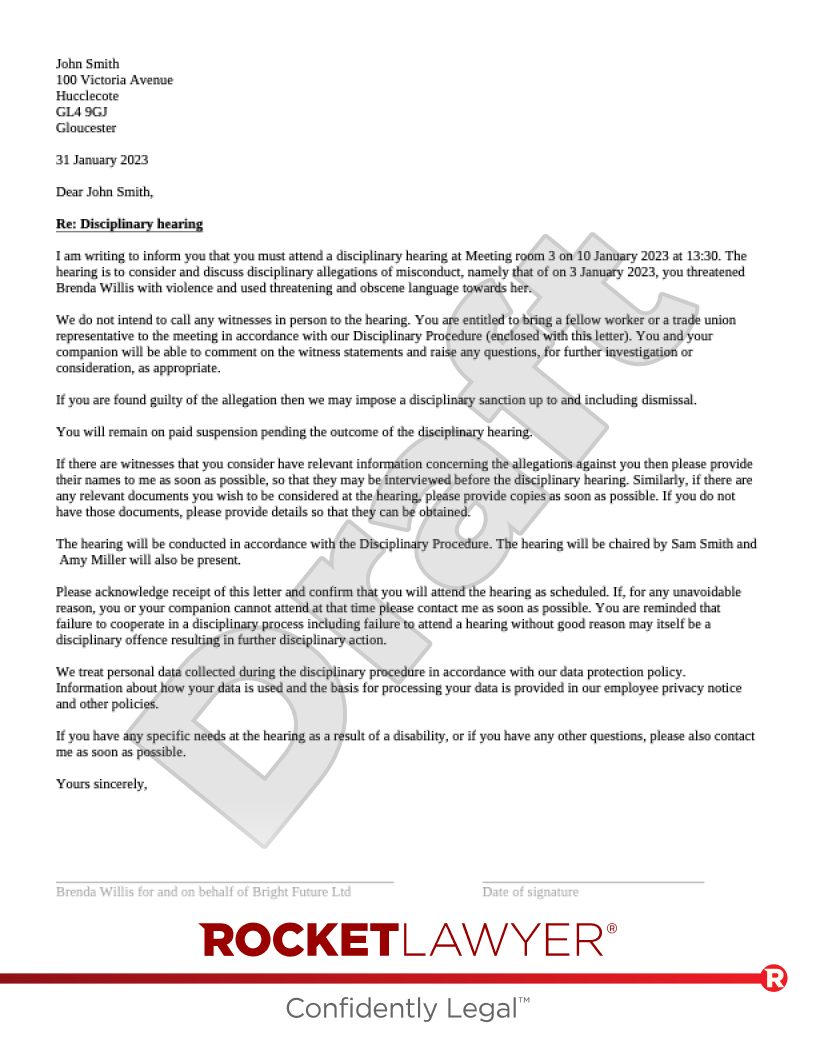
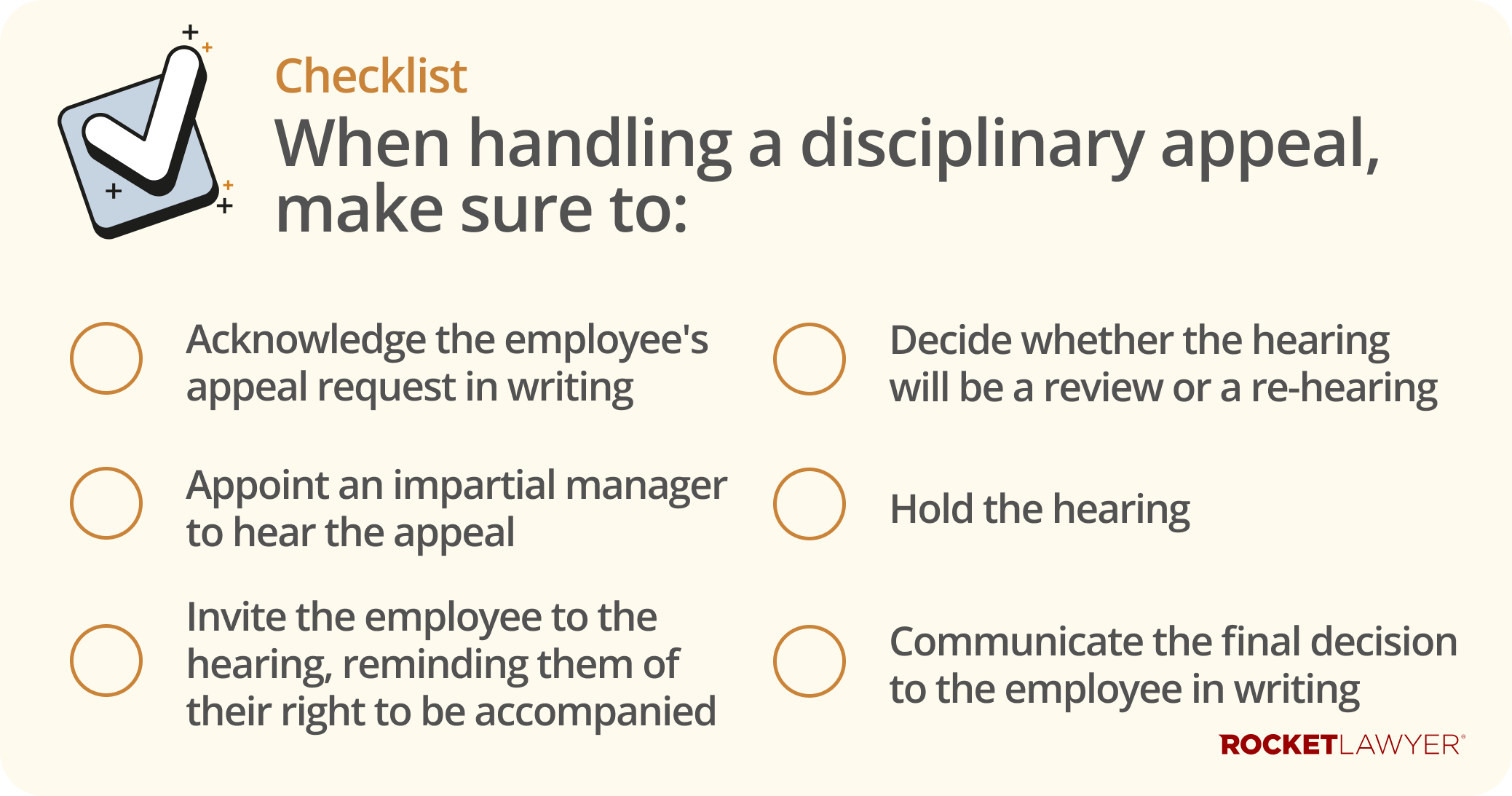
Once an employee appeals, you should arrange a formal appeal hearing. It’s important to let them know the arrangements in writing. Depending on the situation, you can use an Invitation letter to a disciplinary appeal hearing for misconduct or an Invitation letter to a poor performance appeal hearing to do this. The letter should confirm their right to bring a companion, such as a colleague or a trade union representative.
Who should hear the appeal?
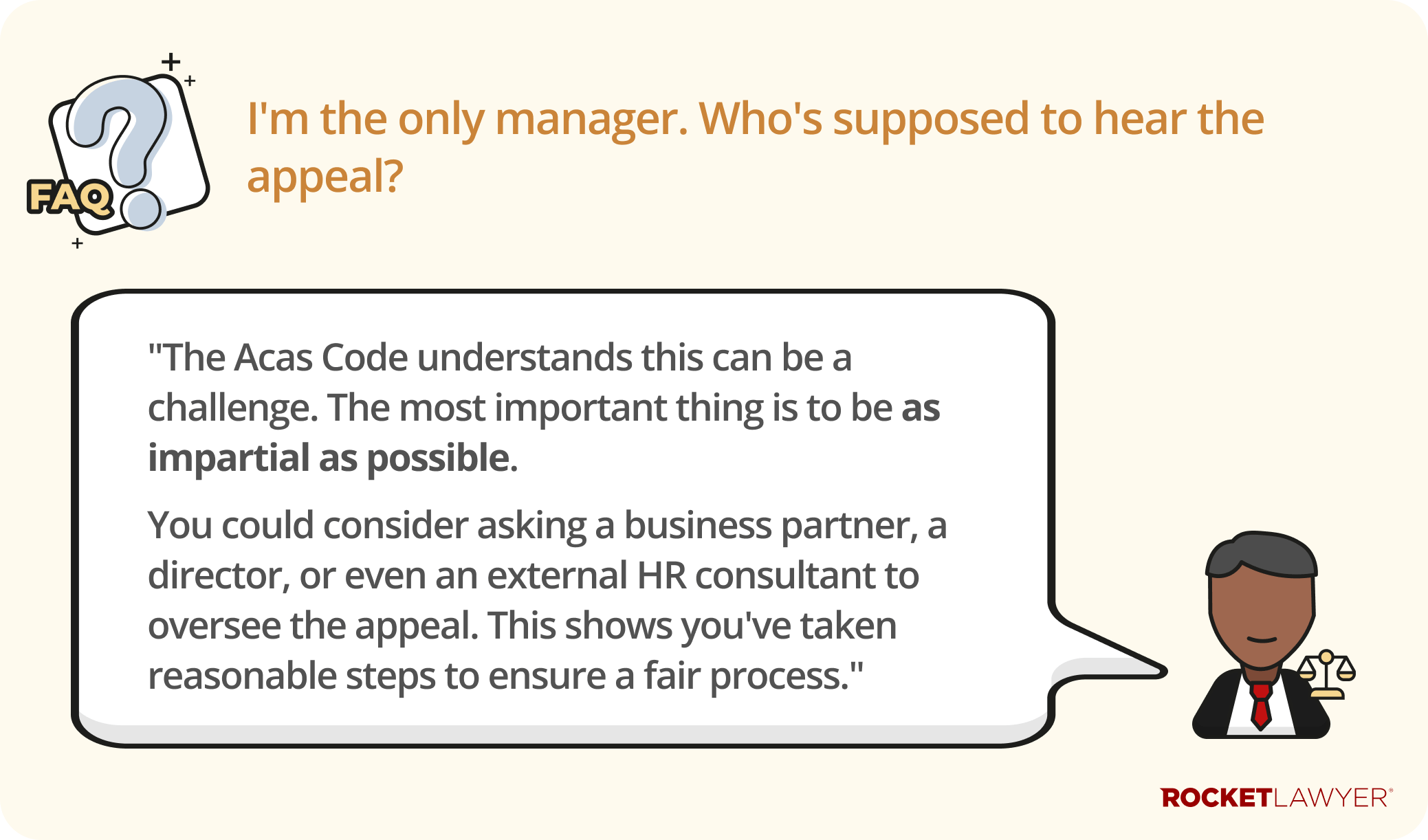
The Acas Code states that an appeal must be handled impartially. Where possible, the manager hearing the appeal should not have been involved in the original disciplinary decision. It’s also best practice for this person to be more senior than the manager who made the first decision, as this makes it easier to overturn the original outcome if necessary. For smaller businesses where this isn't possible, you might consider bringing in an external HR consultant to ensure impartiality.
Conducting the hearing
You can set up the appeal in one of two ways:
-
a review - this focuses on whether the original decision and the process used to reach it were fair
-
a re-hearing - this involves hearing the case from the beginning, considering all the evidence again, before making a new decision
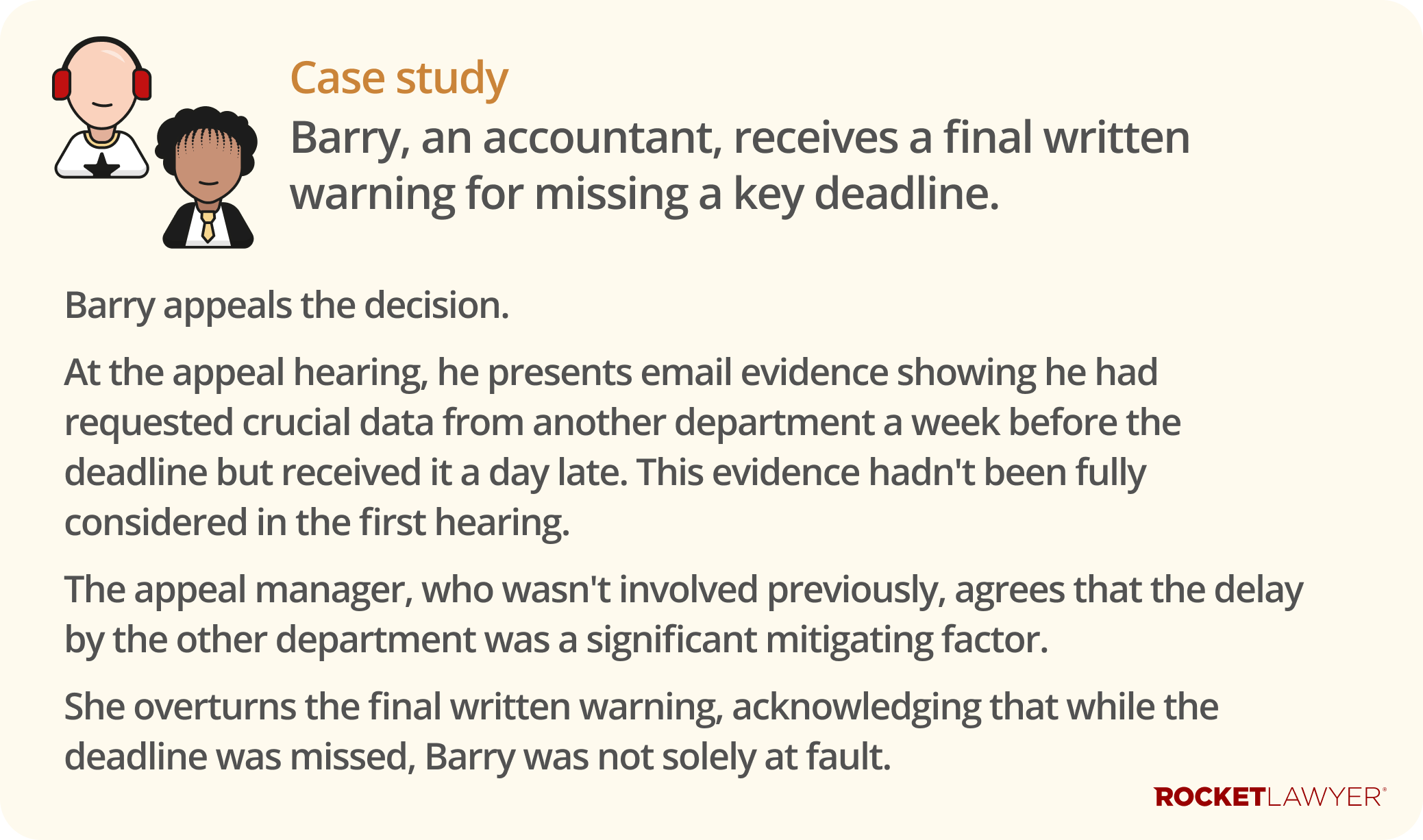
A full re-hearing is often the better option if the employee has new evidence to present or if there were potential flaws in the first hearing. A properly conducted appeal can often fix procedural mistakes made during the initial disciplinary process.

Communicating the final decision
After the hearing, you should tell the employee the outcome. It's good practice to do this in person if possible, but you must always confirm the decision in writing. The letter should explain the reasons for your final decision, state whether the original penalty has changed, and make it clear that the appeal process is now complete.
Can an appeal increase the original disciplinary sanction?
No, an appeal should not be used to punish an employee for challenging a decision. The purpose of an appeal is to review the fairness and correctness of the original outcome. Increasing the sanction (eg changing a final written warning to a dismissal) would likely be seen as unfair by an employment tribunal and could undermine the entire process.
The possible outcomes of an appeal are:
-
upholding the original decision
-
overturning the original decision
-
reducing the disciplinary penalty
What if an employee is unhappy with the appeal outcome?
The appeal marks the end of your internal disciplinary process. If an employee isn't satisfied with the final decision, their next potential step is to make a claim to an employment tribunal. For example, they may wish to make a claim for unfair dismissal. By having a fair and robust appeal procedure that follows the Acas Code, your business will be in a much stronger position to defend itself against any such claim. For more information, read Employment tribunal.
As defending a tribunal claim can be costly and time-consuming, some employers and employees prefer to agree on a clean break, often by using a Settlement agreement to resolve the matter confidentially.
If you have any questions or need help navigating the disciplinary appeal process, do not hesitate to Ask a lawyer.