Handling an employee's resignation or dismissal
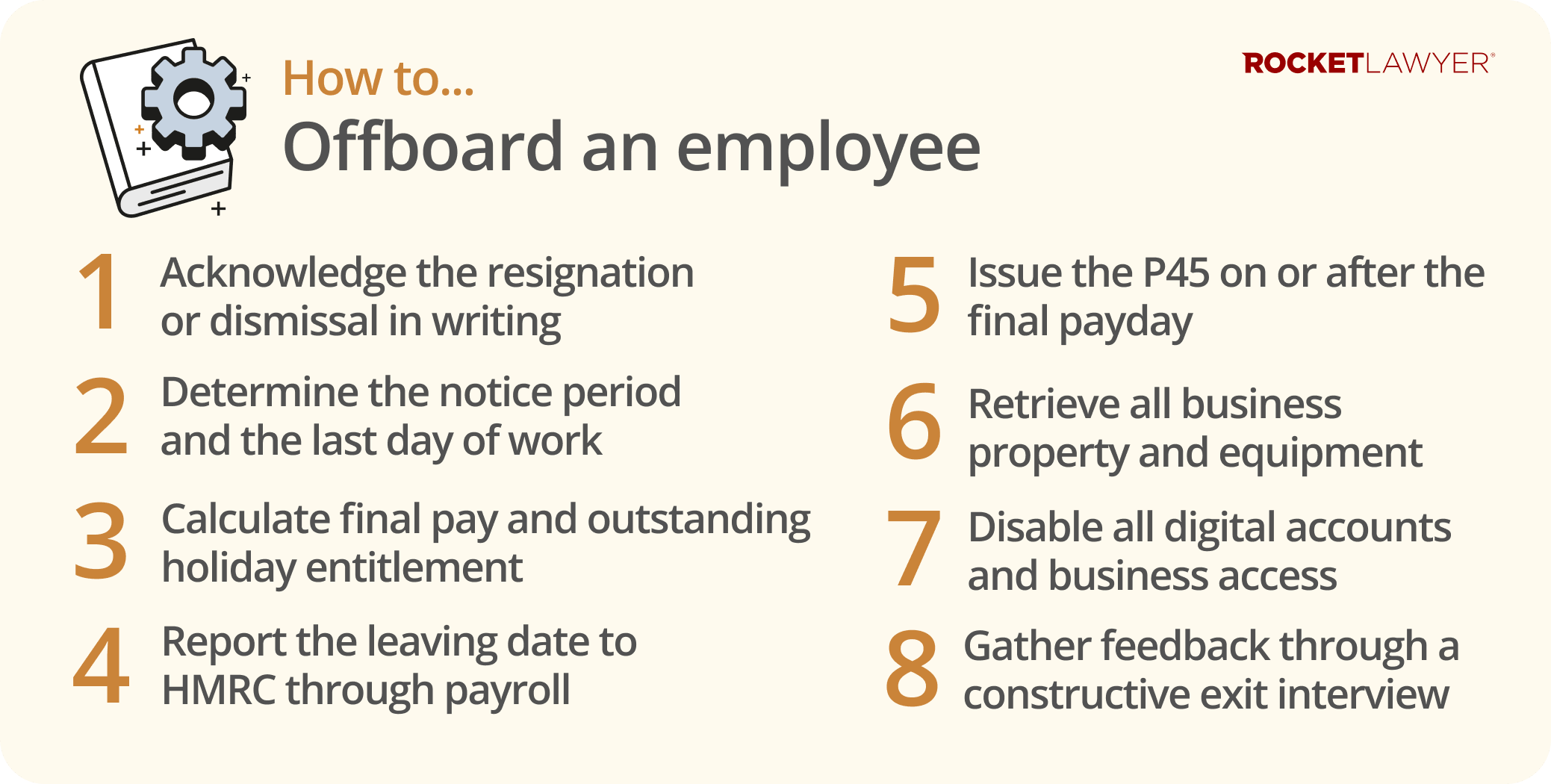
A resignation occurs when an employee tells their employer they intend to stop working for them. Usually, this happens in writing (using a Resignation letter), but it can be done verbally. Once an employee gives notice, the employment relationship enters its final stage. You should check the employee's employment contract to confirm how much notice they must provide and ensure you acknowledge their departure in writing.
If you decide to end the relationship instead, you must follow a fair dismissal process. For more information on the legal requirements, read Dismissal. This involves using a dismissal letter as written confirmation of the employee's departure from the business. This document must include the date the employment ends and any notice periods that apply. The specific letter you'll need depends on the circumstances of the departure, such as a:
-
Gross misconduct letter, for cases involving gross misconduct
-
Dismissal letter for misconduct, for cases involving misconduct
-
Dismissal letter for poor performance, for cases involving performance issues
-
Dismissal for redundancy letter, in the event of redundancies being made
-
Dismissal letter for employees without unfair dismissal rights, where you are dismissing someone who hasn't reached the qualifying period of service
Managing notice periods
You must ensure the employee serves their agreed notice period unless you've reached a different agreement. Most employees are entitled to statutory notice (the legal minimum), but you should check their employment contract for contractual notice, which is often longer. For more information, read Notice periods.
Sometimes, you might want an employee to leave immediately. If their contract allows for it, you can use pay in lieu of notice (PILON). This means you pay the employee for their notice period, but they stop working for you straight away. For more details, read Payments in lieu of notice.
Alternatively, you might use garden leave (if this is allowed in the employee’s contract). This is where the employee serves their notice at home; they're still paid and remain bound by their contract, but they don't perform any work or access work systems. To learn more, read Gardening leave.
Finalising pay and issuing a final payslip
Calculating the final pay is a vital step in the offboarding process. You must pay the employee for all time worked up to their final day, along with any holiday pay for annual leave they've built up but haven't used. You should also check if you need to make any deductions, such as for training costs or season ticket loans, provided you've a written agreement in the employment contract to do so.
When an employee leaves, you must give them a clear and comprehensive final payslip. It must include a breakdown of:
-
any outstanding pay for the final period worked (which includes overtime)
-
any pay for unused annual leave
-
any bonus payments that are due
-
any statutory sick pay (SSP) if the employee was entitled to it during their notice period
-
any redundancy payment if a redundancy situation has occurred
-
any PILON, if you don't want them to work their notice period
-
any lawful deductions you've made
If a worker leaves before or during their statutory maternity, adoption, paternity, or shared parental leave, you're usually still required to pay them. This is true even if they've been dismissed or have resigned. You must continue to pay statutory maternity pay, statutory adoption pay, statutory paternity pay, or statutory shared parental pay for the remainder of the statutory period, as long as the employee met the eligibility criteria before their employment ended.
Notifying HMRC and issuing a P45
You must let HMRC know when an employee leaves your business. This is done through your payroll software by entering a leaving date on their final Full Payment Submission (FPS). This ensures that HMRC's records are updated and the employee isn't taxed incorrectly in their next job.
Along with notifying HMRC, you must issue a P45 to the employee. This document is essential as it tells HMRC how much the employee has earned and how much tax they've paid during a given tax year. If your payroll software doesn’t automatically produce P45s, you can order copies from HMRC, using HMRC's Basic PAYE Tools.
If you provide your payroll information late or fail to issue a P45, it can cause delays for the employee when they start their new role and may result in penalties for your business.
Collecting business property and assets
It’s standard practice to collect any business equipment or intellectual property before the employee’s final day. This includes physical items like laptops, mobile phones, and security badges, as well as digital access to business accounts or software. You should have a clear record of what was issued to the employee at the start of their employment to make this process smoother.
If an employee fails to return property, you shouldn't automatically deduct the cost from their final wages unless their employment contract specifically allows for this. Doing so without a clear contractual right could lead to a claim for unlawful deduction from wages. It's always best to remind the employee of their obligations early in their notice period to avoid any disputes.
Giving references to departing employees
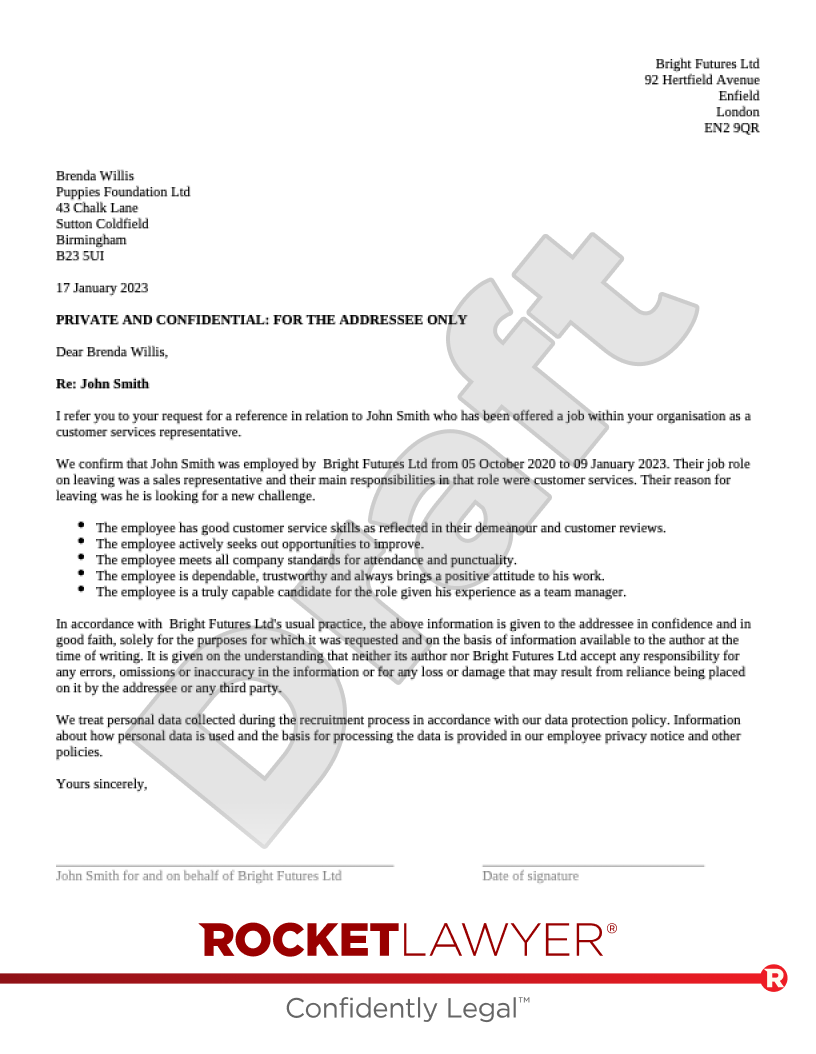
The law generally doesn't require you to give a departing employee a reference unless it's in their contract or they work in a regulated industry, such as financial services. However, providing a reference is considered good practice. If you decide to provide one, you must ensure it's true, accurate, and fair.
Providing a misleading or unfair reference could lead to legal action for discrimination or defamation. For more information, read Employment and employee references. If you're ready to provide a reference, you can make a Reference letter.
Learning from the departure with exit interviews
While not a legal requirement, exit interviews are a great way to understand why an employee is leaving and identify areas where your business can improve. These meetings should be constructive and ideally held by someone other than the employee’s direct manager to encourage honest feedback.
To get the most out of the meeting, you might want to ask questions such as:
-
what is your main reason for leaving
-
what did you enjoy most about your role here
-
were there any aspects of the job you found particularly difficult
-
do you feel your work was valued
-
do you feel you had enough support and training to do your job well
-
how effective do you feel the communication in the workplace was
-
what could we have done differently to encourage you to stay
Information gathered during an exit interview can help you reduce staff turnover and improve the working environment for your remaining team. If the employee raises serious concerns, such as bullying or discrimination, you may need to investigate these even though the employee is leaving. Always keep a record of the discussion and any actions you decide to take as a result.
For more information on resignations or dismissals, read Resigning from employment and Dismissal.
If you need to formalise the end of an employment relationship, you can make a Dimissal letter or a Resignation letter.
Do not hesitate to Ask a lawyer if you have any questions or concerns about the relevant steps after an employee leaves.