What is a business startup?
A business startup is a new venture in its earliest phase of development. It’s founded by an entrepreneur or a team to create and bring a new product or service to market. While the term is often linked with technology, a startup can be in any industry. The initial goal is to establish a solid foundation by developing an idea, understanding the target market, and planning for growth.
What should I do before I set up my business?
Before you register a name or open a bank account, it's vital to develop your concept and strategy. This planning stage is crucial for building a viable business and attracting any necessary funding.
Develop your idea and business plan
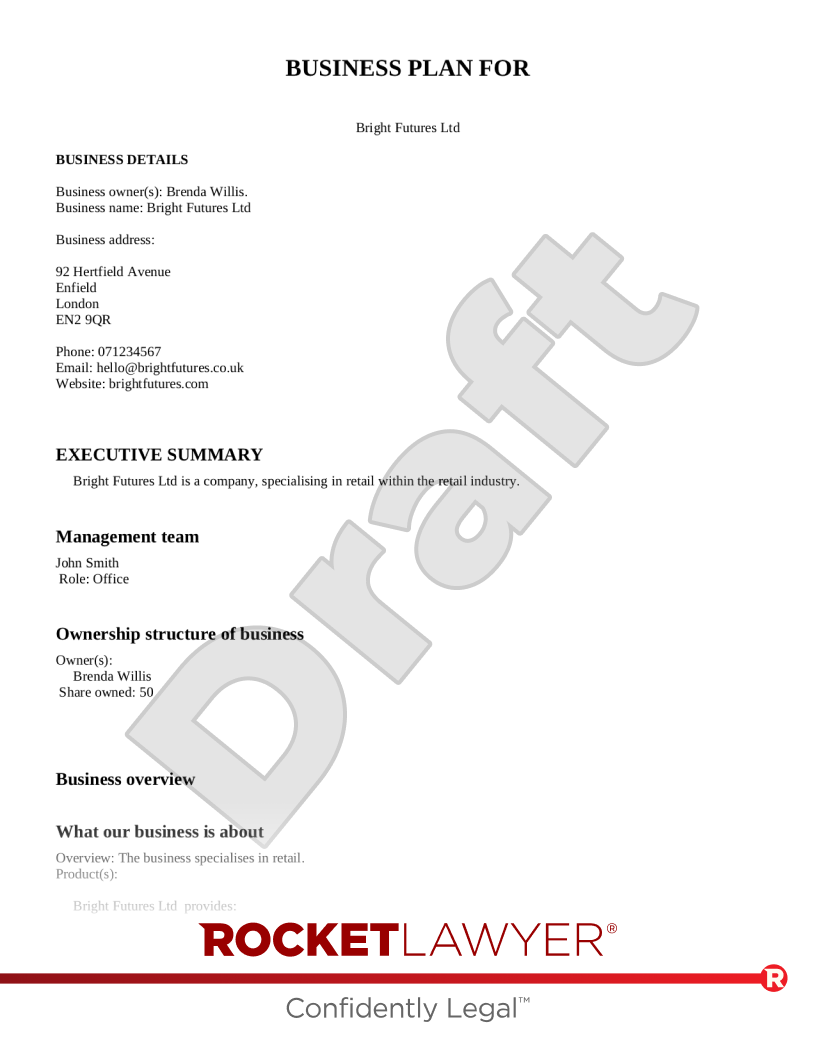
Every successful business begins with an idea that solves a problem or meets a need. Once you have your concept, you need to detail it in a formal document. This is your Business plan. It sets out your goals, strategies for achieving them, and financial projections. It’s an essential tool for guiding your decisions and is a must-have if you’re looking for investments. For more information, read What is a business plan?
Research your funding options
Most startups need capital to cover initial costs like equipment, marketing, or stock. There are many ways to fund a new business, from using personal savings to securing loans or bringing in investors. Understanding the different types of finance available will help you choose the right path for your specific needs. To explore the pros and cons of different financing methods, read Funding your business and Startup funding.
What are the first legal steps for setting up a business?
With a solid plan in place, you’re ready to make your business official. Following these key legal steps will ensure your business is set up correctly and complies with the law from day one.
Choose the right business structure
The first major decision you'll make is choosing a legal structure. This affects everything from your personal liability and how you pay tax to the paperwork you need to file. The main options are operating as a sole trader, a partnership, or a private limited company. Each has significant differences. To understand which is best for you, read Choosing a business structure.
Pick a compliant business name
Your business name must be unique and follow certain rules. For example, it can't be offensive or suggest a connection with government or local authorities. For more information on the rules, read How to choose a name for your business.
Register your business
The registration process depends on the structure you choose. Sole traders and partners must register for Self Assessment with HMRC. Limited companies must be incorporated and registered with Companies House. This is a crucial legal step that makes your business official in the eyes of the law and the tax authorities. For more information, read Setting up as a sole trader, How to set up a partnership, and How to register a company in six steps.
Open a business bank account
Keeping your business and personal finances separate is essential. If you set up a limited company, you are legally required to have a separate business bank account because the company is a distinct legal entity. For sole traders, while not a legal rule, it's highly recommended. A separate account makes bookkeeping and filing your tax return much simpler and presents a more professional image to your customers.
To open an account, you'll typically need to provide the bank with:
-
proof of identity (eg a passport or driving licence)
-
proof of address (eg a utility bill or council tax statement)
-
your business details (including your registered name and address)
-
your Companies House registration number (if you're a limited company)
Check what licences you need
Some types of businesses require special licences or permits to operate legally. This can include businesses that sell food or alcohol, play recorded music, or operate in certain regulated industries. It’s your responsibility to find out what licences you need and to apply for them. To learn more, read Business licences.
Once you're ready, you can make a Business plan and consider making a Shareholders' agreement and a Founders’ agreement, if you are setting up a limited company with others. Do not hesitate to Ask a lawyer if you have any questions.