What is a fit note?
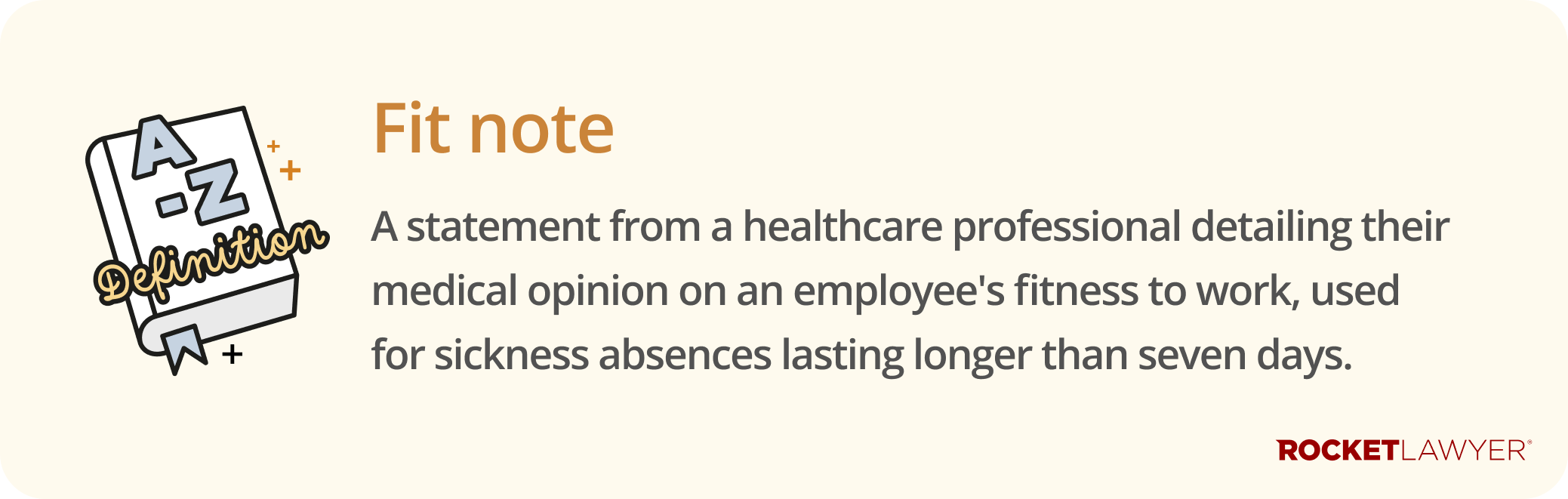
A fit note, formally called a 'statement of fitness for work' or ‘Med3’, is a formal written document from a healthcare professional stating their medical opinion on an individual's fitness for work. Fit notes are sometimes also referred to as a 'doctor's note' or a 'sick note'.
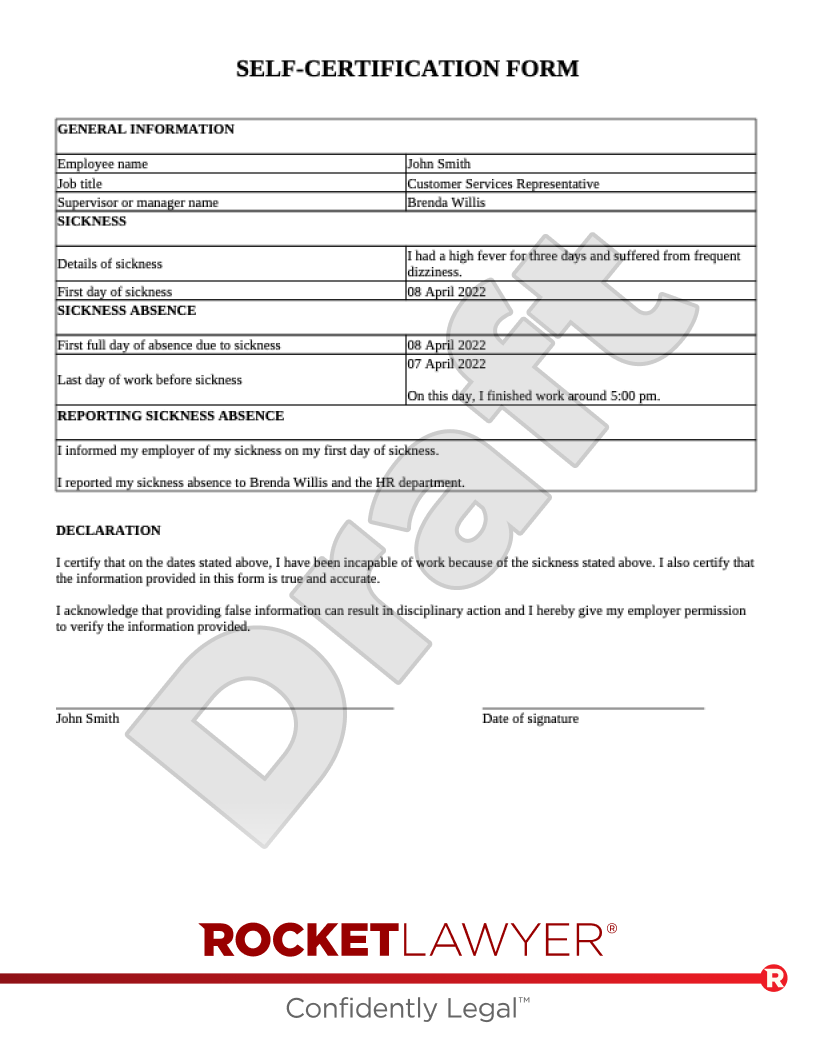
A fit note is only needed for longer periods of absence. For short absences, an employee should self-certify their illness using a Self-certification form.
The fundamental difference between these documents is that a fit note is based on a medical professional's assessment, whereas a self-certification form is the employee's own assessment of their fitness to work.
When does an employee need a fit note?
Whether or not an employee needs to provide a fit note depends on how long they've been off sick.
Sickness absences for seven days or less
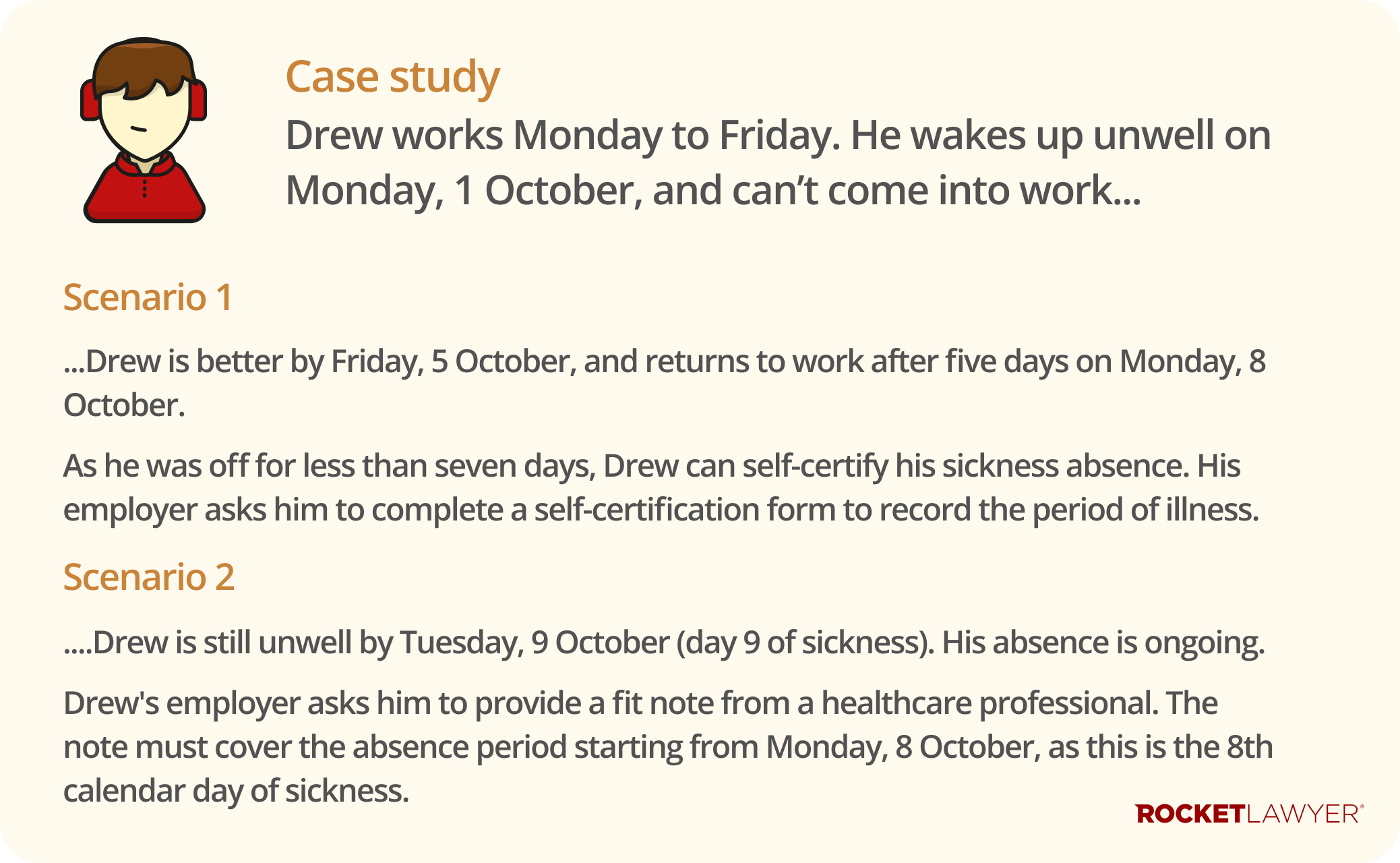
If an employee is off work for seven days or less, they do not need a fit note. The seven-day period includes non-working days, like weekends and bank holidays. For these shorter periods, employers can ask the employee to confirm they've been sick by completing a Self-certification form.
Sickness absences for more than seven days
If an employee has been off sick for more than seven days, including non-working days, employers can ask them to provide a fit note as medical evidence. Fit notes for these longer absences are provided free of charge by the NHS.
Who can issue a fit note?
If someone needs a fit note, they should contact the healthcare professional who is treating them. Healthcare professionals who can provide a fit note include:
-
doctors
-
nurses
-
occupational therapists
-
pharmacists, and
-
physiotherapists
They will assess the individual's health and how it affects their capacity for work, such as their stamina or concentration.
Can employers ask for medical evidence for short absences?
Yes, employers ask for medical evidence for short absences, but it won't be a standard fit note. If you're concerned about an employee's short-term sickness absence (eg because it's frequent), employers may ask them to provide a private medical certificate for absences of less than seven calendar days.
A healthcare professional may charge for this private certificate. If you are an employer and require such medical evidence, you should be prepared to cover the cost. Your Sickness policy should clearly outline when a private medical certificate may be required and who is responsible for covering the associated costs.
What will a fit note say about fitness for work?
A fit note will state one of two things about the employee's health condition: they are not fit for work, or they may be fit for work.
If the fit note states that the employee is not fit for work, it means that, in the healthcare professional's medical opinion, the employee is currently unable to carry out their job. If this is the case, the employee must show the fit note to their employer so sick pay can be arranged accordingly.
If the fit note states that the employee may be fit for work, it means the healthcare professional believes they may be able to return to work, potentially with some support or adjustments. The note will often outline the level of work the healthcare professional believes the employee is capable of. This means they can do some work with the help of their employer. For example, a cleaner with a back injury may be able to return to work to carry out light administrative tasks that don't involve any heavy lifting.
What happens if an employer can't implement the recommended adjustments?
A fit note may set out possible changes that enable the employee to return to work. These may include:
-
a gradual return to the workplace (eg by coming back part-time or working reduced hours)
-
flexible working or altered hours (changes to the times or duration of work)
-
working from home
-
performing different duties or tasks to take account of a condition (eg no heavy lifting)
-
making changes to your workstation or working pattern
-
providing extra training or supervision
Employers and employees should discuss these recommendations promptly to facilitate the employee's return to work as soon as possible. If an employer is unable to agree on any workplace modifications or adjustments, the fit note can be used as evidence for sick pay procedures, and it should be treated as if it stated the employee is 'not fit for work'. The employee doesn't need to get a new or revised fit note from the healthcare professional in this situation. Remember, if an employee is disabled, employers must make reasonable adjustments under the Equality Act 2010.
What should an employer do if a fit note isn't provided?
If an employee has been off sick for more than seven days and fails or refuses to provide a fit note, employers can consider treating the situation as a disciplinary matter.
Employers should only do this if the employee doesn't have a good reason for not providing the fit note, such as a serious delay in getting an appointment. When considering disciplinary action, care must be taken to follow the employer’s Disciplinary procedure. If you’re unsure about disciplining an employee, it’s best to Ask a lawyer for advice.
When can employees return to work?
Employees can return to work at several points during a sickness absence, depending on the advice from their healthcare professional and discussions with you:
-
when the fit note expires - if the employee is assessed as not fit for work, they should generally return to their job once the fit note period ends, unless they get a new fit note or you agree they should remain off
-
when they feel able to - an employee can return to work at any time they feel well enough, even if the fit note period hasn't expired yet. They don't need to see their doctor or other healthcare professional again just to get permission to come back
-
with agreed adjustments - if the fit note says they may be fit for work, they can return as soon as you and the employee agree on the necessary workplace modifications or support
When managing sickness absence, always prioritise supporting the employee's health and recovery. Understanding the fit note rules provides you with the flexibility needed to help your employee return to work successfully and without delay.
For more information on handling and retaining employee medical documentation, read Managing staff health data.
For more information on sickness absences, read Managing sickness absence and Sick pay. Do not hesitate to Ask a lawyer if you have any questions or concerns.