Some things to remember if problems arise
Becoming a landlord is not always an easy ride, and when renting out your residential property, you could be faced with various problems. For example, tenants may:
-
fall behind with their rent
-
not clean the property
-
leave litter at the property
-
ruin the furniture
-
misuse the property (eg for commercial purposes)
-
have noisy guests and irresponsible parties
-
intimidate the neighbours
How you deal with a problem depends on what it is
However, regardless of the problem, the best first step is often to initiate an open and respectful discussion with your tenant. You could discover, for example, that your tenant is not paying their rent for fair and temporary reasons that you can accommodate by making reasonable arrangements.
There are some specific things you can do, depending on the type of difficulty, including:
-
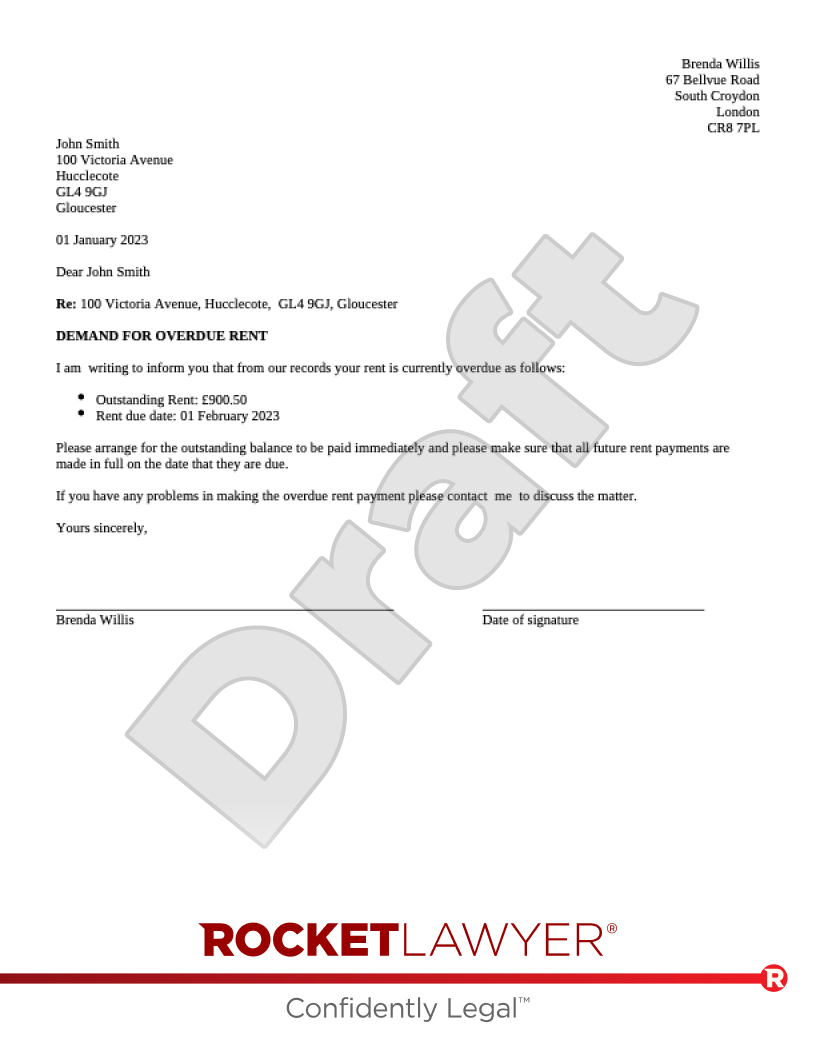
if your tenant isn’t paying their rent, you can quickly chase them for any unpaid rent using a Rent demand letter
-
if drug use is suspected, you should end the tenancy
Some important points to remember include:
-
you can legally end a tenancy if a tenant behaves badly (eg if they’re in breach of their Tenancy agreement or occupation contract)
-
you can impose a penalty for late payment of rent (if such is allowed in the tenancy agreement or occupation contract)
-
you must never harass a tenant into leaving a property – always follow legal eviction processes if you want to end a tenancy
How to end a tenancy
Make sure you know how to legally end a tenancy. The conditions and methods for ending a tenancy vary depending on the type of agreement in place, whether both parties agree, and the property's location.
If both parties agree, the tenancy can be ended by surrender. For more information, read Surrendering a tenancy.
If a tenant refuses to leave when you ask them to, you must make an application to the court for an order of possession (ie to evict them). Before applying to the court, you must serve an appropriate eviction notice. You must also let the prescribed notice period elapse before starting court proceedings. Appropriate eviction notices include:
-
a Section 8 notice for England, which must be based on one or more of the grounds set out in section 8 of the Housing Act 1988 (as amended by the Renters’ Rights Act 2025)
-
a Section 173 notice for Wales, for which no reason needs to be provided for the eviction
-
a Serious rent arrears notice for Wales, if the tenant has breached one of their obligations to you (eg their obligation to pay rent)
For more information, read Evicting a tenant (for England) or Repossessing property in Wales.