What should I consider before buying a buy-to-let property?
Before you buy, it's crucial to plan your investment. You'll need to consider how to finance the purchase and what to look for in a property. For a full overview, read Points to consider before you buy to let and What to consider when buying a property to rent out.
You must also understand the significant tax duties, from the land and buildings transaction tax (LBTT) you pay on purchase to the income tax on rent. You can learn more by reading, Buy-to-let tax implications.
What should I consider before finding tenants for my buy-to-let?
Once you’ve bought your buy-to-let property, it’s a good idea to research the local rental market. Understanding the area and the types of tenants it attracts (eg students, young professionals, or families) will help you make key decisions. This research helps you decide whether the property should be furnished, part-furnished, or unfurnished and, crucially, how much rent to charge.
How will the property be managed?
You can either manage the property yourself or use a letting agent. A letting agent will deal with the property and tenant on your behalf, and should also help you meet your legal obligations as a landlord.
Before you engage them, key things to consider include:
-
that they are on the Register of Letting Agents
-
the level of service they offer
-
how frequently they inspect properties
-
how they deal with maintenance and repairs
-
their charges and fees
-
whether they are members of a professional body
-
their level of insurance and whether it includes client money protection
-
their reputation and how long it takes them to fill a property
What do I need to do before letting my property in Scotland?
Before you can rent out your property, you have several legal duties to comply with.
First, you must register as a landlord with the local council for the property's area. Failing to do so is a criminal offence. You must renew this registration every three years. You may also need a house in multiple occupancy (HMO) licence if you plan to rent to three or more unrelated tenants.
You'll also need to:
-
inform your mortgage lender that you're going to rent out the property, and check your mortgage terms
-
get the right insurance to protect your property, your liability as a landlord, and potentially your rental income
Getting the property ready
You must ensure the property meets all required safety and living standards. Key things to address include:
-
ensuring the safety of the property - this includes obtaining an annual gas safety check and an Electrical Installation Condition Report (EICR) (at least every five years), and installing interlinked fire and smoke alarms
-
getting am energy performance certificate (EPC) - you must give tenants a copy when they move in
-
carrying out Legionella risk assessment - you must assess the risk from Legionella bacteria in the water systems
-
complying with the repairing and tolerable standards - you must do a pre-tenancy check to ensure the property is fit for tenants, in a reasonable state of repair, and that all installations are in good working order
For more detailed information, read Legal obligations of a landlord in Scotland and Tenant's and owner's obligations in Scotland.
What paperwork do I need for a tenancy in Scotland?
You need to prepare key legal documents for your tenancy.
What tenancy agreement should I use?
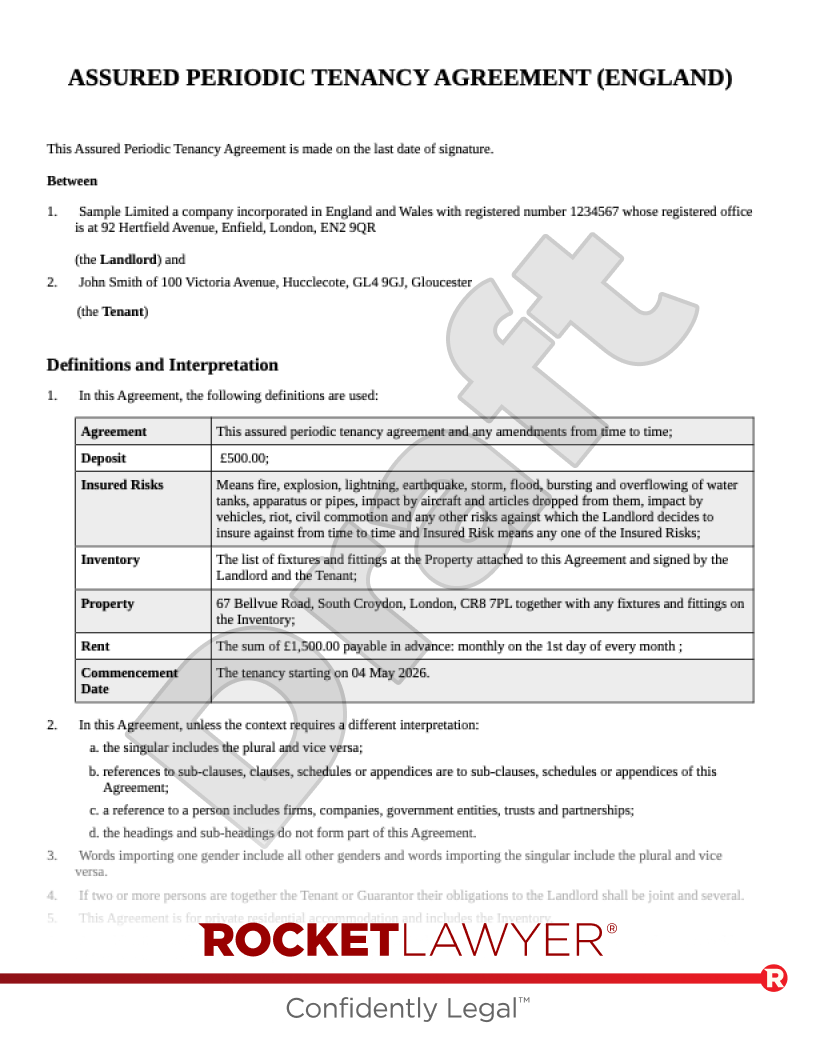
Since 2017, the standard tenancy agreement for new rentals in Scotland has been the Private residential tenancy. This type of tenancy is open-ended, meaning it doesn't have a fixed end date. It lasts until a landlord evicts the tenant for a specific legal reason (such as due to the tenant’s rent arrears, the tenant’s antisocial behaviour, or the landlord’s intention to sell), or if the tenant wants to leave.
For more information, read Residential tenancies in Scotland.
What about an inventory?
If the property is furnished or part-furnished, you should also make an Inventory detailing the condition of the property and its contents before the tenant moves in.
If you need to make the correct tenancy agreement, you can make a Private residential tenancy for a house, a Private residential tenancy for a flat, or a Private residential tenancy for a room. Do not hesitate to Ask a lawyer if you have any specific questions.