What is a buy-to-let investment?
A buy-to-let investment is when you purchase a residential property specifically to rent it out to tenants (also known as ‘contract holders’ in Wales), rather than to live in it yourself. It's crucial to understand the points to consider before you buy-to-let and what to consider when buying a property to rent out to ensure it's the right choice for you. The goal is typically to make a profit from the rental income (which will have buy-to-let tax implications).
Should I manage the buy-to-let property myself or use a letting agent?
You have two main options for managing your rental: do it all yourself or hire a letting agent to handle it for you.
Self-managing your property
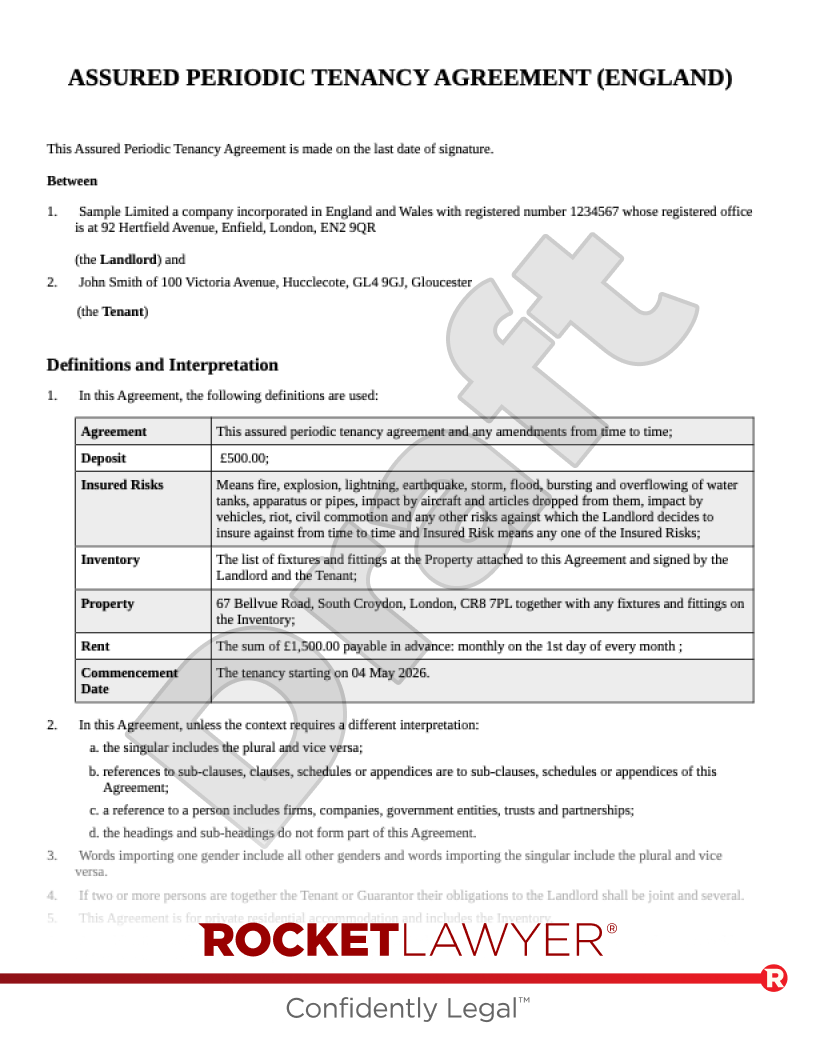
Managing the property yourself means you're responsible for everything. This includes finding and vetting tenants, making relevant Tenancy agreements, collecting rent, handling repairs, and managing the end of the tenancy. For more information on what documents you may need, read Residential tenancies and Residential tenancies in Wales.
The main advantages of self-managing include:
-
you save money on agent fees, which maximises your profit
-
you have direct control over tenant selection and all management decisions
However, the disadvantages can be significant:
-
it's very time-consuming, especially if you have other commitments
-
you must stay up-to-date with all letting laws, which change frequently
-
you have to deal with any tenant issues or emergencies directly
Note that landlords in Wales who self-manage rental properties must apply for a licence. For more information, see the Welsh government’s guidance on landlord and agent licensing.
Using a letting agent
A letting agent can take care of the entire process for you, from marketing the property to dealing with tenants and maintenance. In return, they typically charge a fee of between 10% and 20% of the monthly rent.
When choosing an agent, check if they're members of a professional body like ARLA Propertymark, or safeagent. This gives you extra protection and ensures they follow a code of conduct.
The benefits of using an agent are:
-
it's a hands-off approach, saving you significant time and stress
-
they should be experts in rental law and market rates
-
they act as a buffer between you and your tenants
The potential downsides include:
-
the management fees will reduce your monthly profit
-
you have less control over the day-to-day management
-
a bad agent can cause more problems than they solve
Should I let my property furnished or unfurnished?
Deciding whether to offer your property furnished or unfurnished depends on your target market and budget.
Whether furnished or not, you must make an Inventory. This document records the condition of the property and any items you've provided. Both you and the tenant should sign it at the start of the tenancy to avoid disputes over the deposit later.
Letting a furnished property
A furnished property typically includes all essential furniture, such as beds, sofas, a dining table, and chairs, and white goods (like a cooker, fridge, and washing machine).
The advantages of letting your property furnished are:
-
you can often charge a higher rent
-
it can be more attractive to certain tenants (like students or young professionals) who want to move in quickly
-
it may be easier to rent out in a competitive market
The disadvantages include:
-
you have to pay the initial cost of buying all the furniture
-
you're responsible for repairing or replacing items due to normal wear and tear
-
all upholstered furniture must meet fire safety regulations
Letting an unfurnished property
An unfurnished property is usually not completely empty. It generally includes basic fixtures and fittings, such as carpets, curtains, light fittings, and major kitchen appliances.
The advantages of letting your property unfurnished are:
-
there are no upfront costs for furniture
-
tenants often stay longer as they've invested in their own belongings
-
you don't need to worry about insuring or maintaining the tenant's furniture
The disadvantages include:
-
your pool of potential tenants might be smaller
-
the rent you can charge will be lower
-
the property can look less appealing when empty
What are my main responsibilities as a landlord?
Once you become a landlord, you take on several legal responsibilities to ensure your property is safe and habitable for your tenants. Failing to meet these can lead to fines or legal action. Key responsibilities include:
-
registering as a landlord (in Wales) - you must register with Rent Smart Wales before you rent out property
-
ensuring tenant safety - this includes getting an annual gas safety certificate, ensuring all electrical installations are checked at least every five years, and fitting working smoke and carbon monoxide alarms
-
providing an energy performance certificate (EPC) - you must give tenants a valid EPC (rated 'E' or above) before they move in
-
comply with all relevant property licencing requirements - depending on where the property is and who you are renting to, you may need a house in multiple occupation (HMO) licence or comply with selective licensing
-
protecting the tenancy deposit - you must place your tenant's deposit in a government-approved tenancy deposit scheme within 30 days and provide certain information about the deposit
-
checking the right to rent (in England) - you must check that your tenants are legally allowed to rent your property in England
-
carrying out repairs - you're responsible for keeping the property's structure, exterior, and key installations (like heating and water) in good repair
For more detailed information, read Legal obligations of a landlord and Tenant's and owner's obligations.
If you're ready to rent out your buy-to-let property, you can make a Tenancy agreement for your property type. Do not hesitate to Ask a lawyer if you have any questions about your responsibilities as a landlord or how to manage your buy-to-let investment.