What are the main ways to manage a divorce?
Under the no-fault divorce system, the legal process is the same for everyone. The main difference is the amount of support you have. Your choice will likely depend on the complexity of your finances and the level of communication between you and your ex-partner.
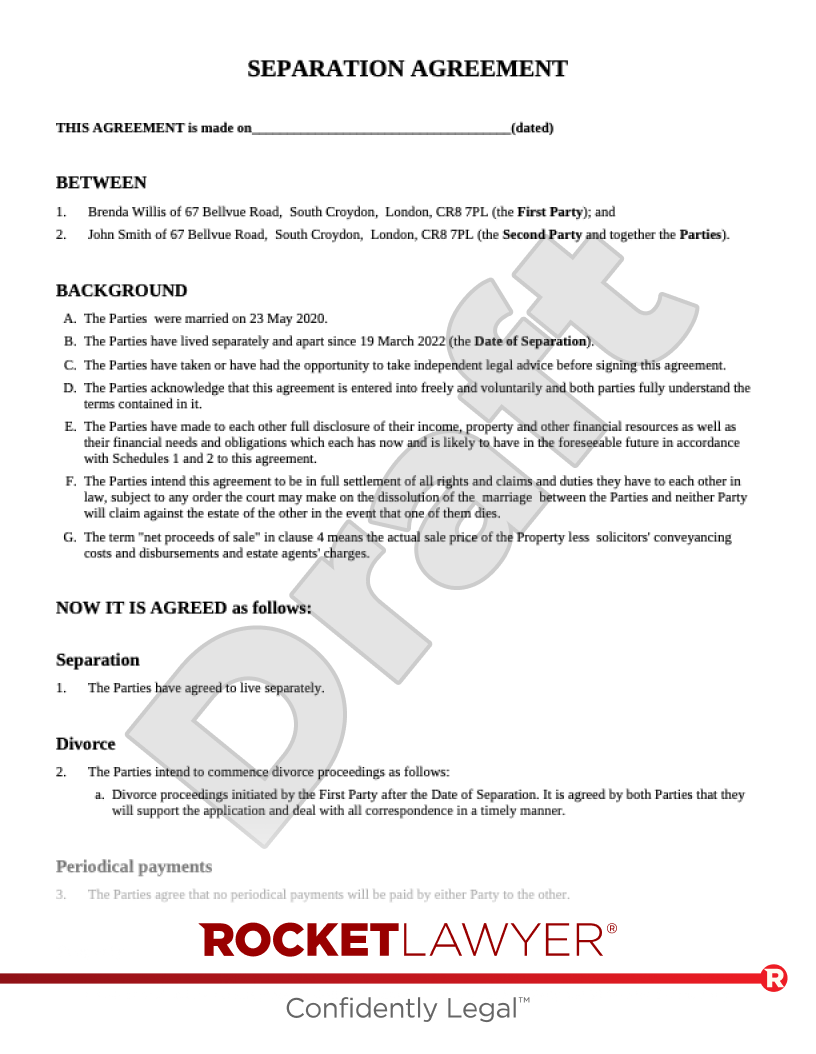
DIY divorce
You can manage your divorce application yourself using the government's online portal. This is the cheapest option, as you'll only pay the court's application fee. This approach can work if your finances are straightforward and you're both in full agreement on everything. However, you won't get any legal advice, which is a significant risk. The divorce application doesn't end your financial ties, and without proper legal advice, you could make costly mistakes.
Using an online divorce service
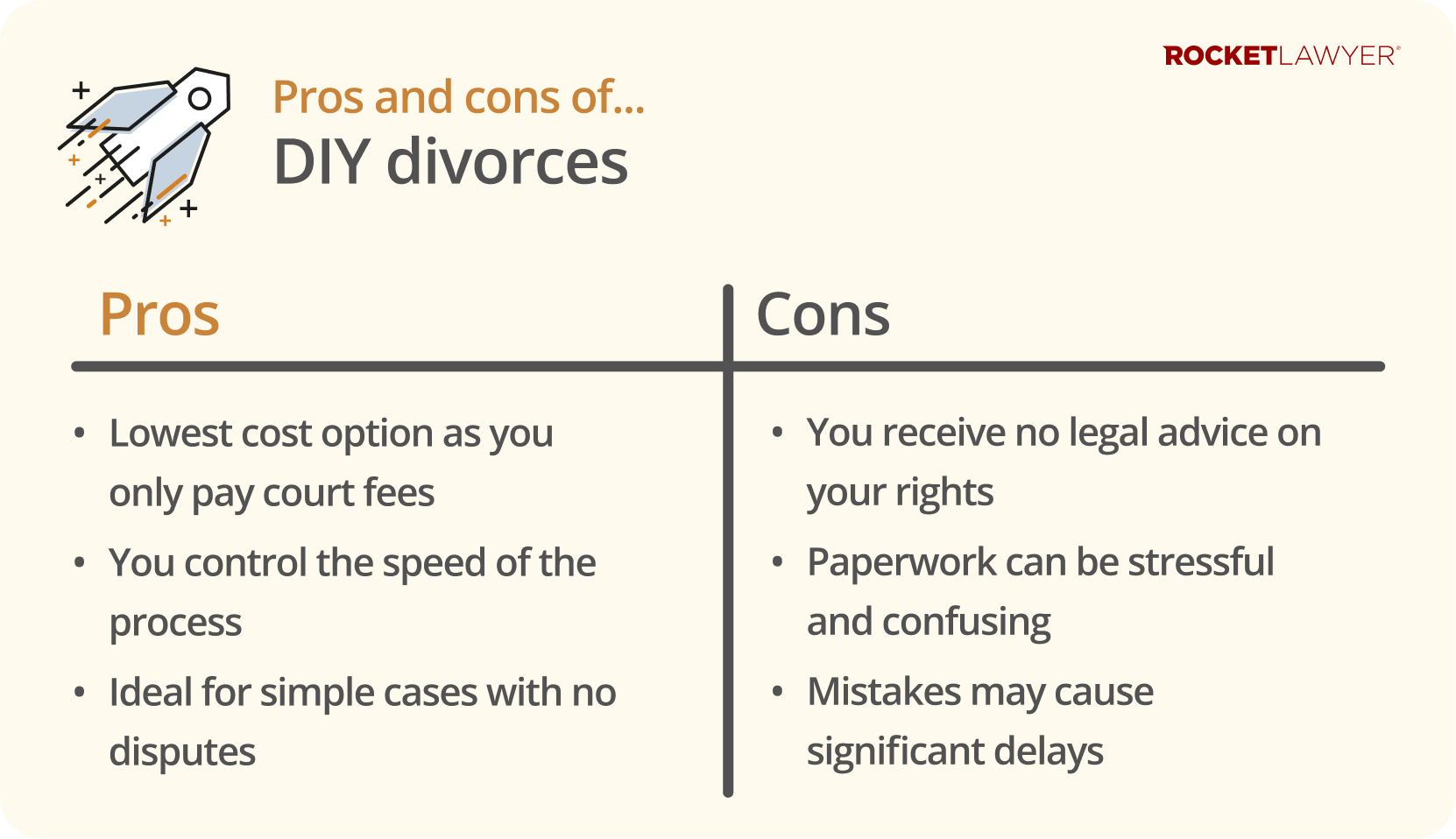
Some services (like our Divorce service) offer a middle way. They can provide you with the legal documents you need and access to lawyers for advice on your specific situation, but without the cost of hiring a lawyer to manage your entire case. This is a good option if your situation is relatively straightforward, but you want legal certainty and peace of mind.
Using a divorce lawyer
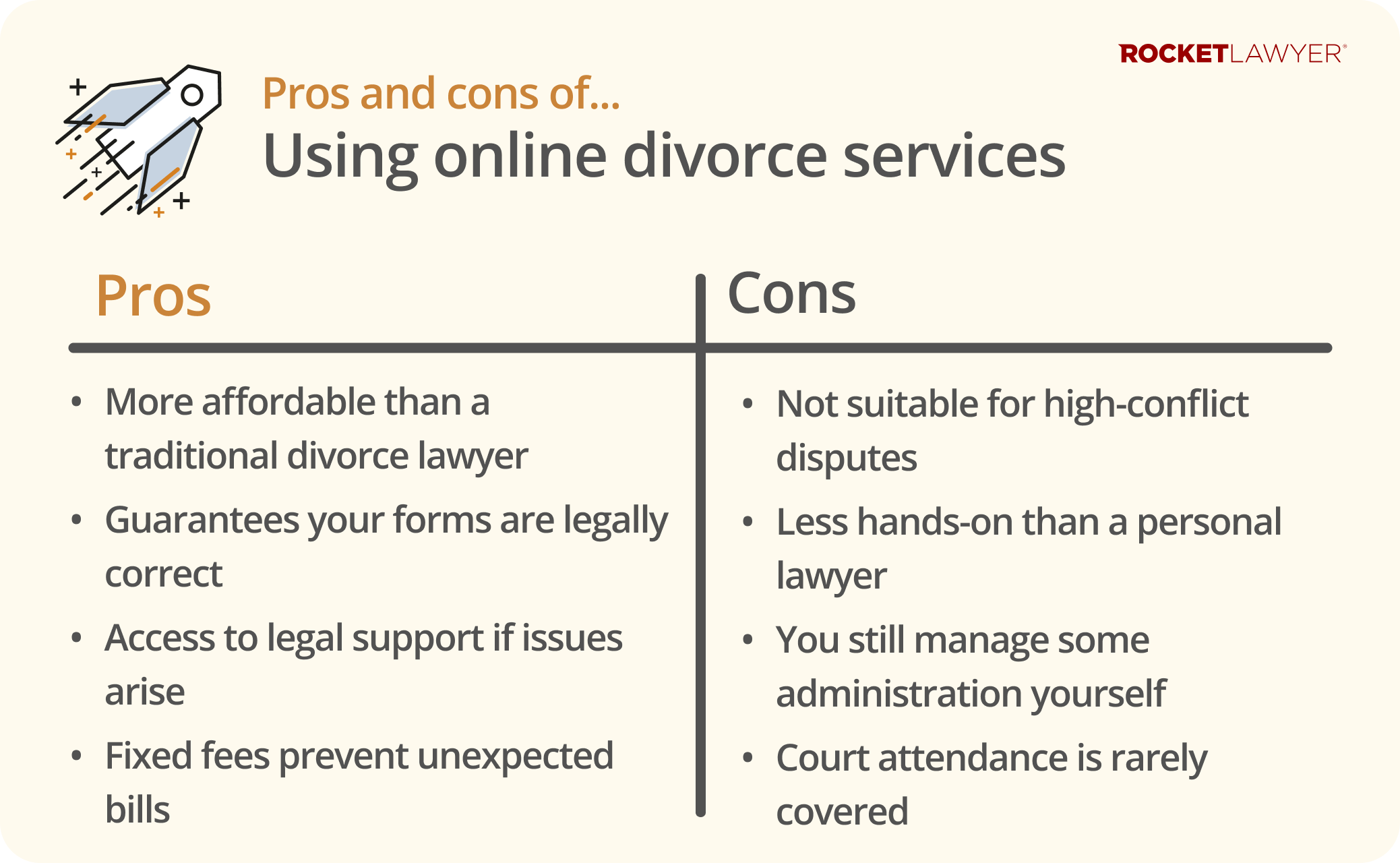
This is the traditional method. You hire a lawyer to give you legal advice and handle the entire process for you. They will communicate with your ex-partner's lawyer and negotiate on your behalf. This is the most expensive option, but it's often necessary if your case is complex (eg involving businesses or pensions) or if there are significant disagreements. Ask a lawyer if you would like to be connected with a divorce lawyer.
What arrangements do we need to consider?
Getting a divorce legally ends your marriage, but it does not automatically sort out your life. You need to make specific agreements regarding your family and money.
Children's arrangements
These involve deciding how you will care for any children, where they will live, and how they will be supported. While the divorce process itself is separate, you must ensure your children's needs are met. The courts generally expect parents to agree on these arrangements themselves; however, they can intervene if a dispute arises. For more information, read Child custody and Child maintenance.
Financial arrangements
These include deciding how to divide your assets and liabilities, as well as where you will reside. Not all couples come to a formal arrangement regarding finances. However, a divorce does not end the former spouse's right to make financial claims against the other. Therefore, it is advisable to have your financial arrangements recorded in a consent order. This details your agreement and states that neither of you can make a financial claim on the other in the future. For more information, read Divorce financial settlements and orders and Spousal maintenance.
Separation agreements
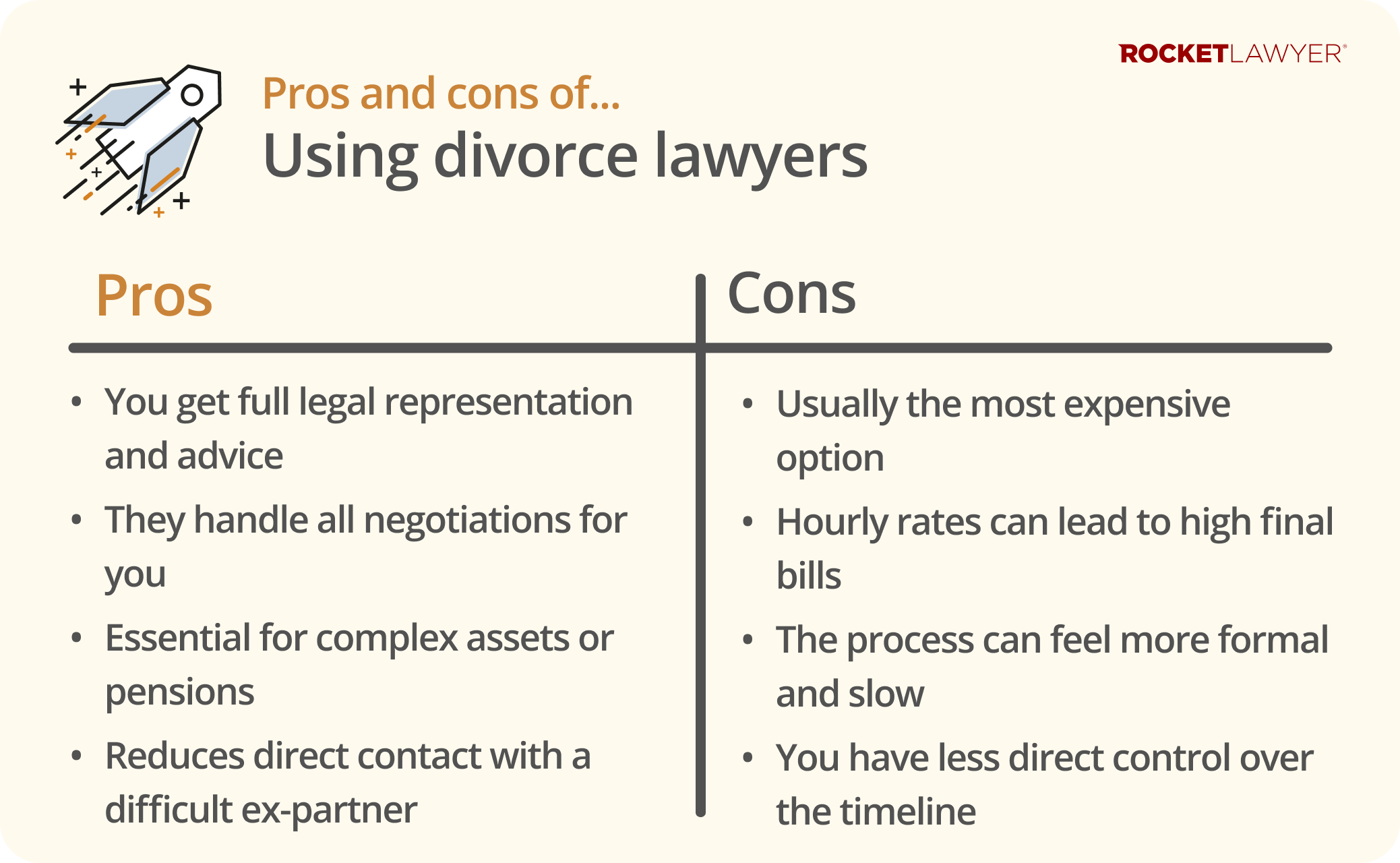
Before applying for a divorce, some couples create a Separation agreement to address the financial aspects of ending their marriage. This can be used to split property and other assets, as well as to record other financial arrangements. Agreeing on your financial arrangements early on can make getting a consent order easier. For more information, read Separating from your spouse or civil partner.
What help can I get to agree on finances and children?
The divorce application itself doesn't sort out your arrangements for money, property, or children. These must be agreed upon separately. If you can't agree, you can use these services instead of going to court.
Family mediation
Family mediation involves a trained, neutral third party called a mediator who helps you and your ex-partner have a constructive conversation. They don't give legal advice or make decisions, but help you find a solution you can both agree on. In most cases, you must attend a Mediation Information and Assessment Meeting (MIAM) before you can ask a court to rule on a dispute. For more information, read Mediation.
Family arbitration
Family arbitration is like a private court. You and your ex-partner appoint a qualified arbitrator (usually a senior lawyer) who will listen to both sides and then make a final, legally binding decision. It's often faster and more private than going to court, but you have to pay the arbitrator's fees. For more information, read Arbitration and arbitral awards.
Collaborative family law
In this process, you and your ex-partner each hire a specially trained collaborative lawyer. You all agree to work together to find a solution and sign a contract promising not to go to court. You'll have a series of group meetings to negotiate a settlement.
What are the alternatives to divorce?
If you're not ready for a divorce or if it's not the right option for you, there are other paths.
Informal arrangement
Some couples decide to end their marriage without taking any formal steps. You can simply come to an informal arrangement with your spouse, choose to stop living together, and essentially bring your relationship to a conclusion. Obviously, you will need to agree on the practical arrangements, including:
-
how to split any finances and possessions
-
what to do about your accommodation (eg if you have a joint mortgage, will you sell the property or will one of you buy the other’s share?)
-
which parent will become the primary carer of any children you may have
-
who any family pets will live with
If you are in receipt of any benefits or tax reductions as a result of your marriage, you will also need to inform your council, benefits office, HMRC, and any other relevant bodies. This does not separate you legally, and you cannot remarry.
Judicial separation
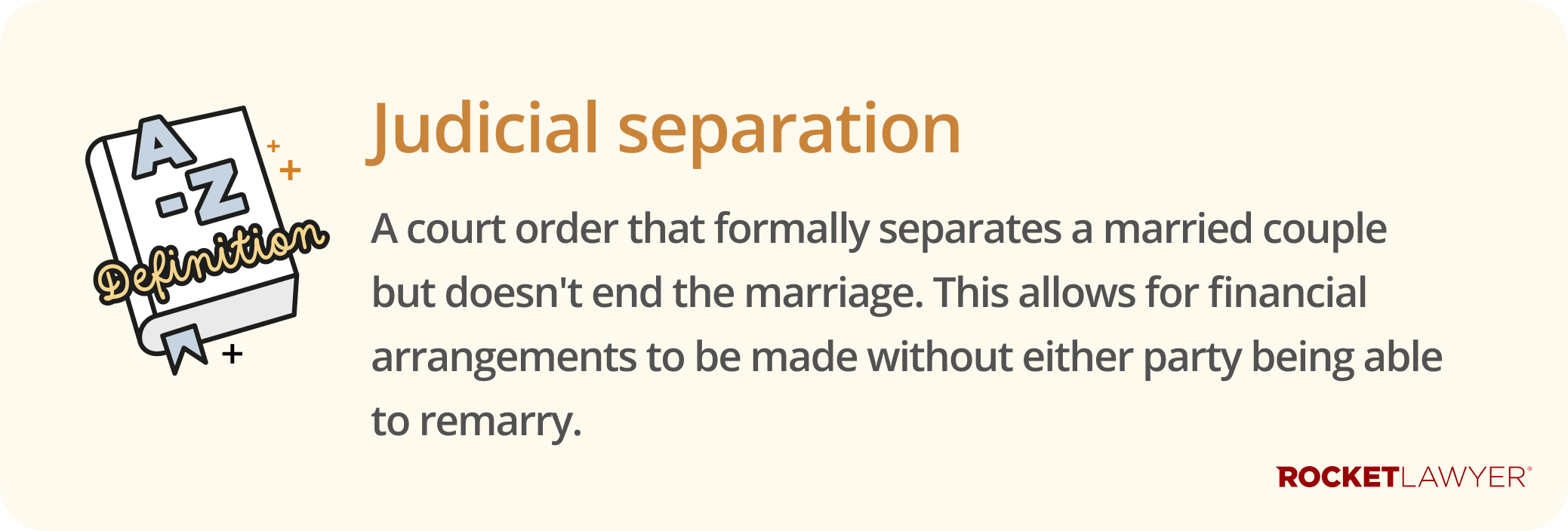
A judicial separation is a formal separation that is ordered by a court. It allows the court to make financial orders (eg about property or maintenance), just as in a divorce, but it doesn't legally end your marriage. This means you cannot remarry. People may choose this for religious reasons, or if they've been married for less than one year (as you can't apply for a divorce within the first year of marriage).
Annulment
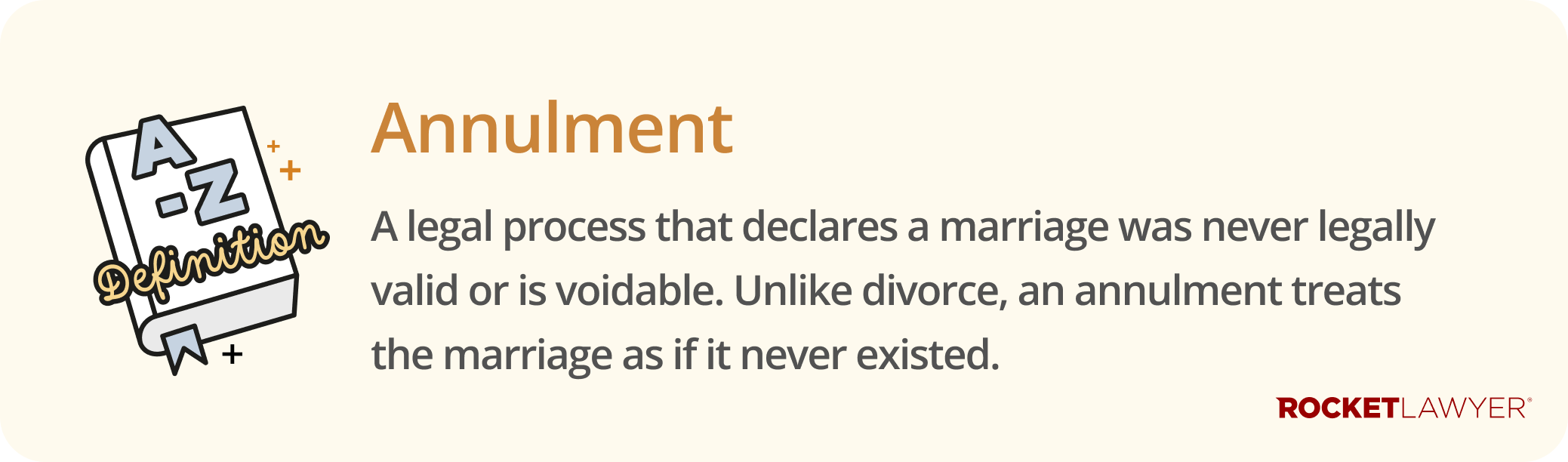
An annulment is very different from a divorce. It's a legal process that declares your marriage was never valid in the first place (it's void) or is voidable (eg you were forced into it). This isn't about the marriage breaking down; it's about it being legally invalid from the start. For more information, read Annulments.
If you are ready to proceed, you might consider using our fixed-price Divorce service to help you through the process. It is also helpful to read The divorce process to understand the specific legal steps involved in a divorce or dissolution. If you need to formalise your separation terms first, you can make a Separation agreement. Do not hesitate to Ask a lawyer if you have any questions about your best course of action.