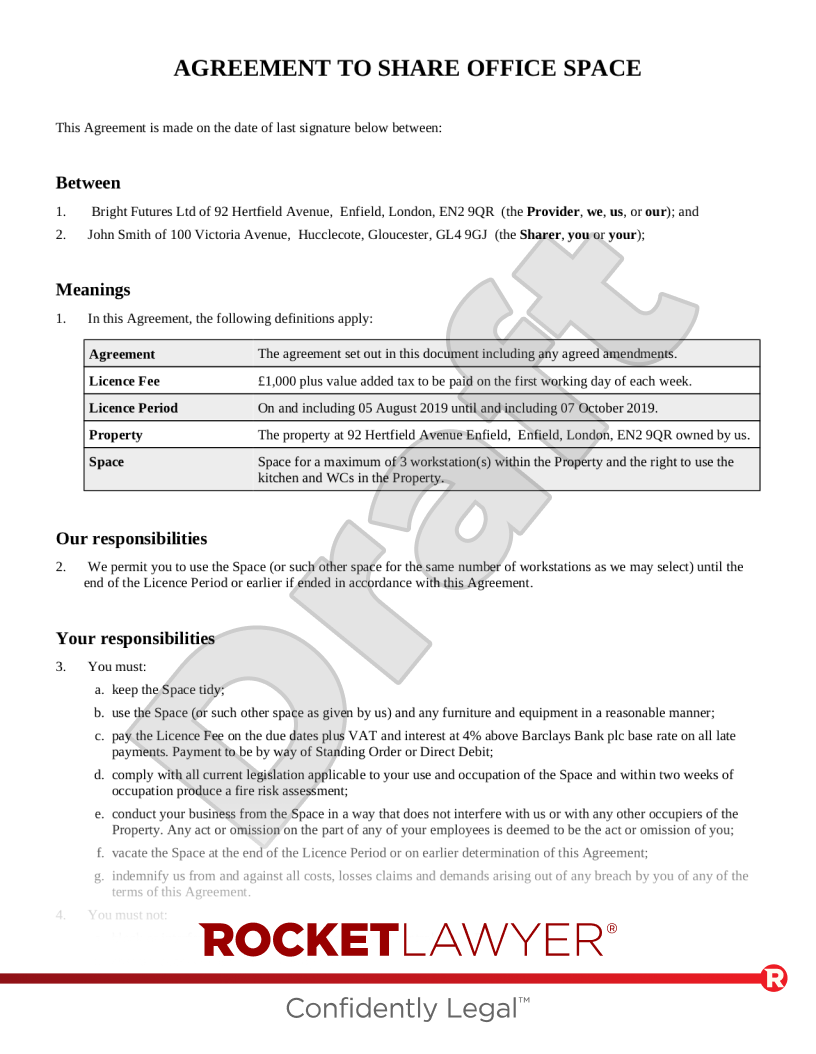
What is commercial property sharing?
Commercial property sharing is when a business that rents or owns a property (like an office, shop, or workshop) allows another business to use part or all of that space. In return, the incoming business usually pays a fee or rent.
This can be a formal, long-term arrangement or something much more flexible and short-term. The key is that it’s a commercial agreement governed by a legal document that sets out the rules for everyone involved. Essentially, you are offering shared office space.
Why share your business space?
Sharing space isn’t just about filling an empty desk; it can offer some significant advantages for your business.
Reduce your costs
This is often the biggest driver. If you have spare space, you're paying rent and rates for an area you aren't using. Bringing in another business means they contribute to these costs, reducing your financial burden and freeing up cash for other parts of your business.
Increase flexibility
Long commercial leases can be rigid. If your business needs have changed and you're left with a surplus of space, sharing it offers a flexible solution. You can often arrange shorter, more adaptable terms with an occupier than you have on your main lease, allowing you to adapt as your business grows or downsizes.
Foster collaboration and new opportunities
Sharing your workspace can create a dynamic environment. Working alongside another business in a shared office can lead to new ideas, shared knowledge, and potential collaborations. It’s a fantastic way to network without even leaving the office. For retailers, a ‘shop-within-a-shop’ can attract new customers and create a more interesting shopping experience.
How can I share commercial space?
There are two main ways to legally structure a space-sharing arrangement: with a flexible licence or a more formal sublease. The one you choose depends on what you’re offering. The main legal difference between them comes down to a concept called exclusive possession. This is the right for an occupier to lock the door and exclude everyone else, including you. If your agreement gives them this right, it’s legally a lease, no matter what you’ve called it.
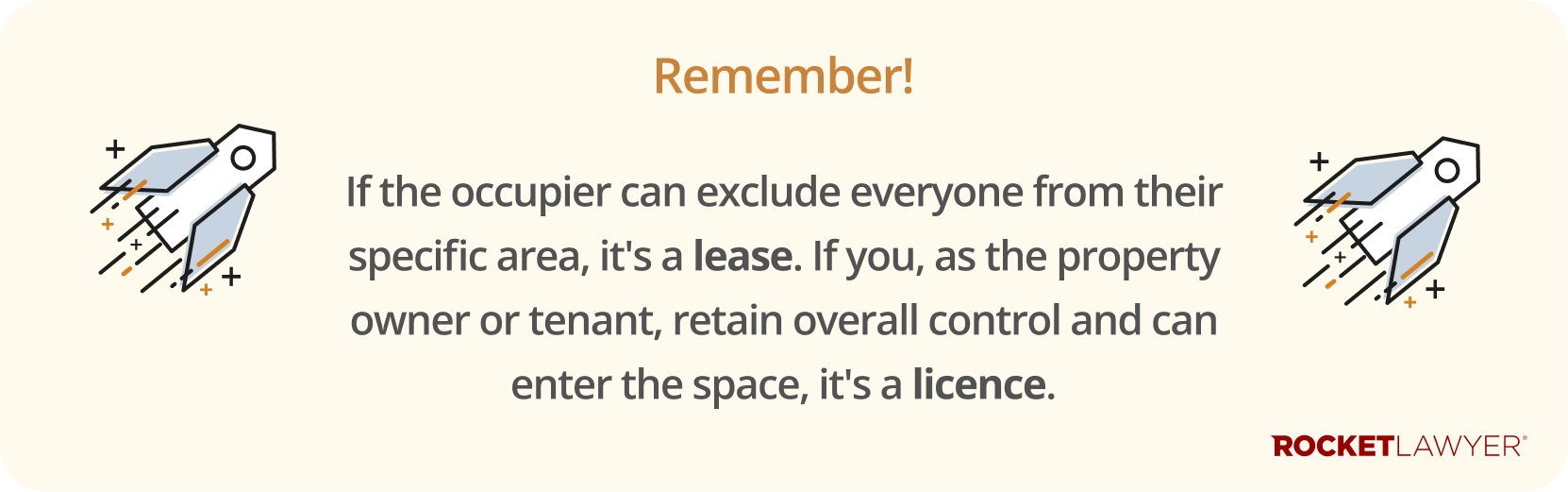
Using a flexible use agreement (a licence)
A licence is simply legal permission for someone to do something they otherwise couldn’t, like use a part of your office or shop. The key thing is that the occupier doesn't get exclusive possession, meaning you retain control of the overall space and can enter the area they use.
This is a great option for more informal, flexible, or shared arrangements. Common examples include:
-
desk licensing - letting another person or business use a spare desk or two in your office
-
retail concessions and pop-ups - allowing another brand to sell their products from a designated spot within your shop
If you’re specifically looking to share your office with another business, a tailored Office sharing agreement sets out clear rules for both parties. To ensure this sort of arrangement to share workstations is a licence and not a lease, it's important not to assign a fixed, unchangeable spot in the office (ie you should retain the right to move the workstations from time to time).
Serviced offices and co-working spaces
A very common example of a licence in action is in co-working and serviced office spaces. These businesses provide a fully equipped shared office space for other businesses to use on flexible terms.
The agreement a member signs is a licence to use the space, not a lease. This is because the operator of the co-working space retains control over the building, manages the shared facilities (like kitchens, meeting rooms, and internet), and often has the right to move members to different desks or offices. The member doesn't have exclusive possession of a single, fixed spot, which is the defining feature of a licence.
Granting a sublease
A sublease is a much more formal arrangement. It’s what happens when you, as an existing tenant, become a landlord to a new tenant (the ‘subtenant’). You grant them a new lease that sits ‘underneath’ your own lease with the main landlord.
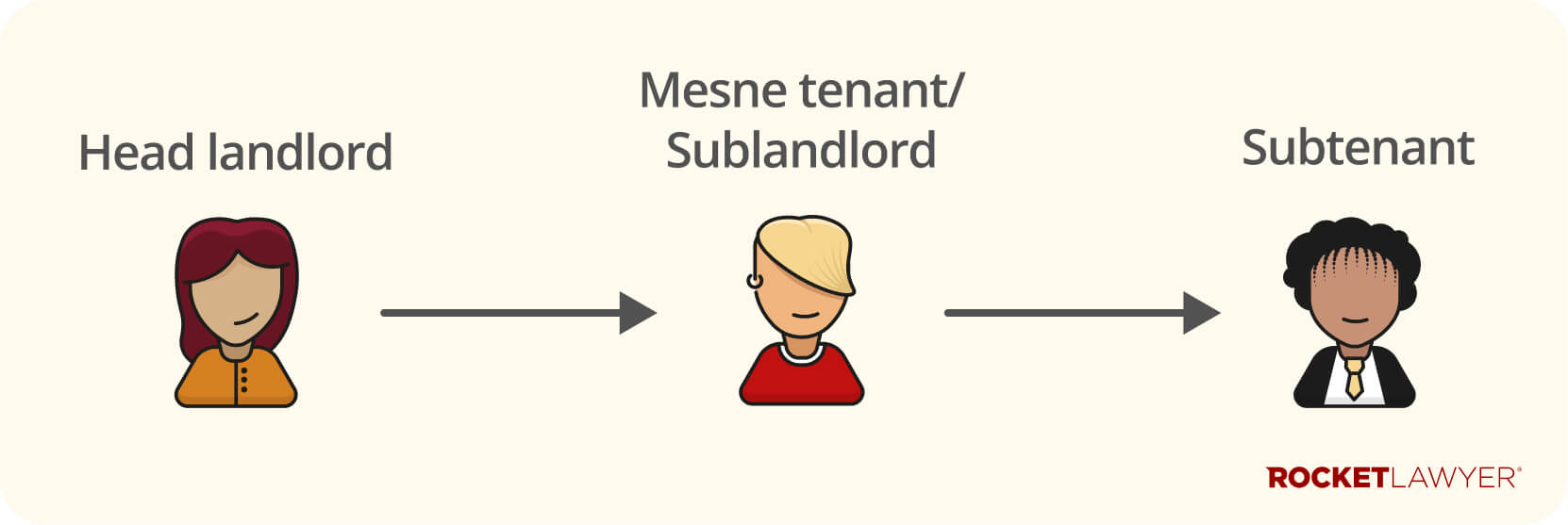
A sublease grants the subtenant exclusive possession of a specific, defined area for a set period. This gives them more rights and security than a licence. This is the right path if, for example, you want to rent out an entire unused floor of your office to another company.
You can’t just decide to sublet your property. Your own lease agreement (the ‘head lease’) will almost certainly have rules about this and will require you to get your landlord’s formal written permission first. If you require a commercial sublease, this can be drafted for your specific needs.
For more information, read Subletting business premises.
What should I consider before sharing my space?
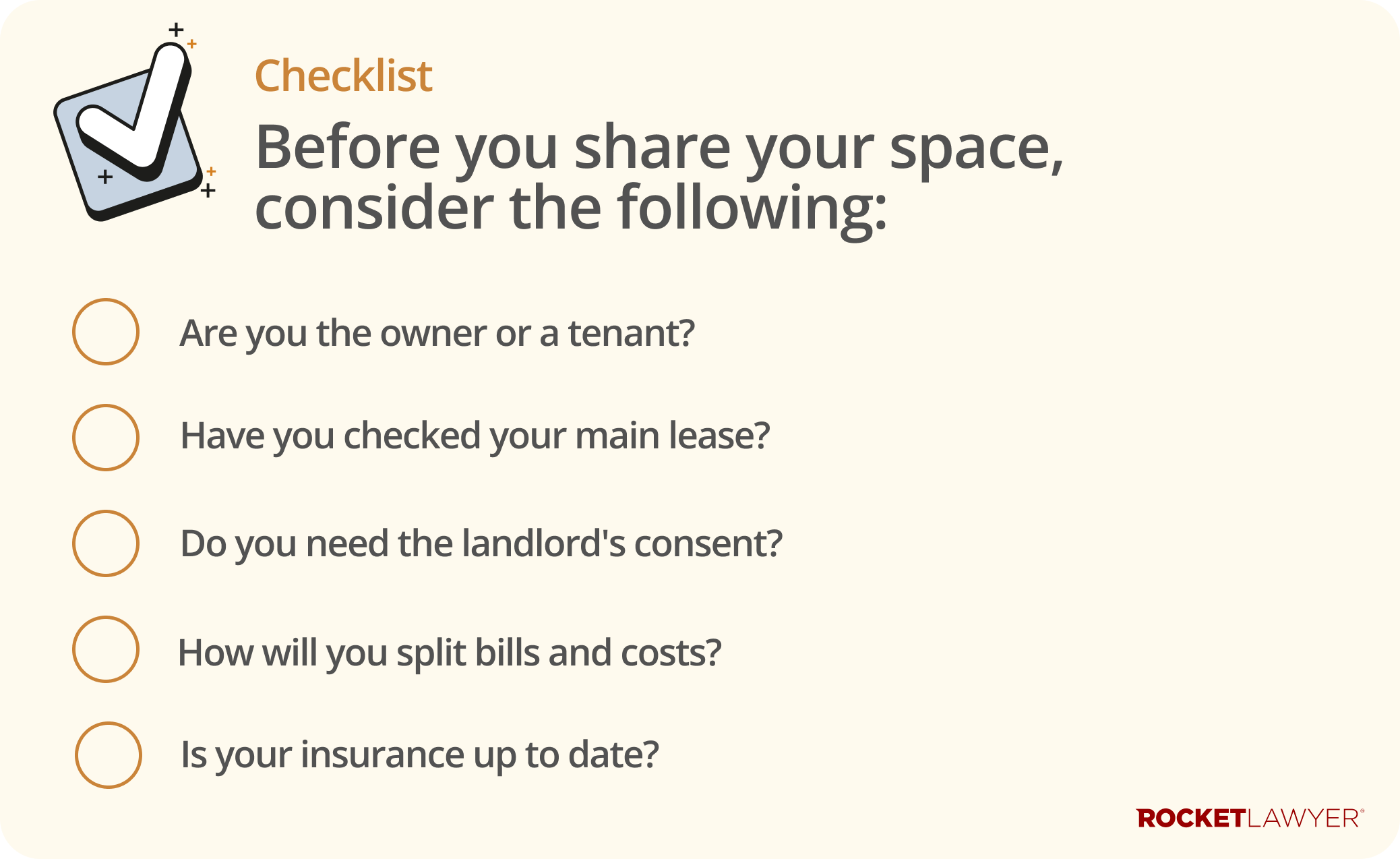
Before you jump in, it's vital to think through the details. Answering these questions will help you choose the right agreement and avoid problems later on.
Who is sharing the space?
The first question to ask is whether you are the property owner or an existing tenant. If you're the owner, you generally have more freedom. If you're a tenant, your Commercial lease is the first document you need to check.
It will contain clauses (often called ‘alienation’ clauses) that state whether you’re allowed to share, licence, or sublet the property. Breaking these rules could put you in breach of your lease, so you must get your landlord's consent if it's required.
The rules around consent can differ across Great Britain. In England and Wales, if your lease says you need the landlord's consent to sublet, they can't unreasonably refuse it. In Scotland, however, the law is different. If a Scottish commercial lease simply states that subletting is allowed with the landlord’s consent, the landlord is completely free to withhold that consent for any reason. Because of this, most Scottish leases will include a 'qualified prohibition' with specific circumstances in which the landlord agrees to give their consent. It’s vital to check these terms carefully.
What are the practical details?
You need to be crystal clear on the terms of the arrangement. Make sure your agreement covers:
-
duration - how long will the arrangement last? Is it a rolling monthly agreement or for a fixed term?
-
facilities - what is the other business allowed to use? Think about meeting rooms, kitchens, car parking, and equipment like photocopiers
-
costs - how will you split bills like electricity, heating, and internet? Who pays for cleaning? Make sure this is all clearly documented
-
insurance - check with your insurer to make sure your policy covers having another business operating from your premises
What about sharing my home?
The rules are different if you're sharing space in your home rather than in a separate commercial property.
If you want to rent out a spare room in your home to a person, they’ll usually be a lodger. Lodgers have fewer rights than tenants, which makes the arrangement more flexible for you. For more information, read Taking in a lodger.
It's a different situation if you run your own limited company from home. In this case, you can formally rent a room in your house to your business. This is a savvy way for your company to pay towards household costs and for you, as the director, to legitimately manage business expenses related to the use of your home as office space.
A Home office rental agreement is specifically designed for this. It creates a formal contract between you (the homeowner) and your limited company (the tenant). The key benefit is that the rent your company pays you can often be deducted from its profits as an allowable business expense, which can reduce your corporation tax bill. The rent charged should be in line with what you'd pay for similar serviced office space in your local area.
However, tax rules can be complex. We strongly recommend you speak to your accountant or check with HMRC to make sure this arrangement is suitable for your specific circumstances before you go ahead.
If you’re ready to formalise a flexible sharing arrangement in your office, you can make an Office sharing agreement. If you need to grant a formal sublease, you'll first need your landlord's permission, which can be done using a Licence to sublet. If you want to rent a room in your home to your own company, use a Home office rental agreement.
If you have any questions or are unsure which option is right for you, don’t hesitate to Ask a lawyer.