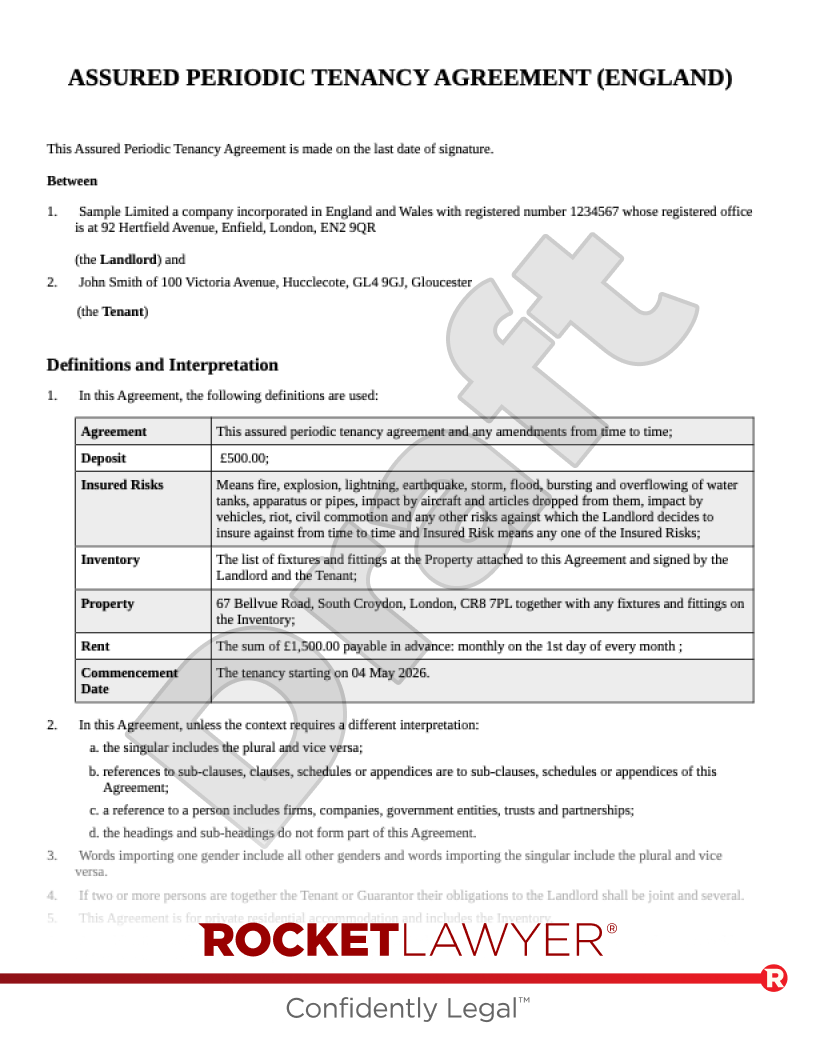
What is a retaliatory eviction?
Retaliatory (or 'revenge') evictions occur when a landlord tries to evict a tenant who has asked for repairs or complained about the condition of their home. Under the Renters’ Rights Act 2025, it’s now much harder for landlords in England to carry out these evictions because they can no longer use the no-fault process.
Retaliatory evictions often occur when tenants report maintenance issues, request repairs, or make complaints about substandard living conditions in their rental property. Rather than addressing the concerns raised, some landlords may choose to evict the tenant to avoid their responsibilities or to discourage tenants from asserting their rights.
Tenants are protected from such retaliatory eviction, and a landlord can be prevented from evicting a tenant for a set period of time after an attempted revenge eviction.
Retaliatory evictions in England
This only applies in England.
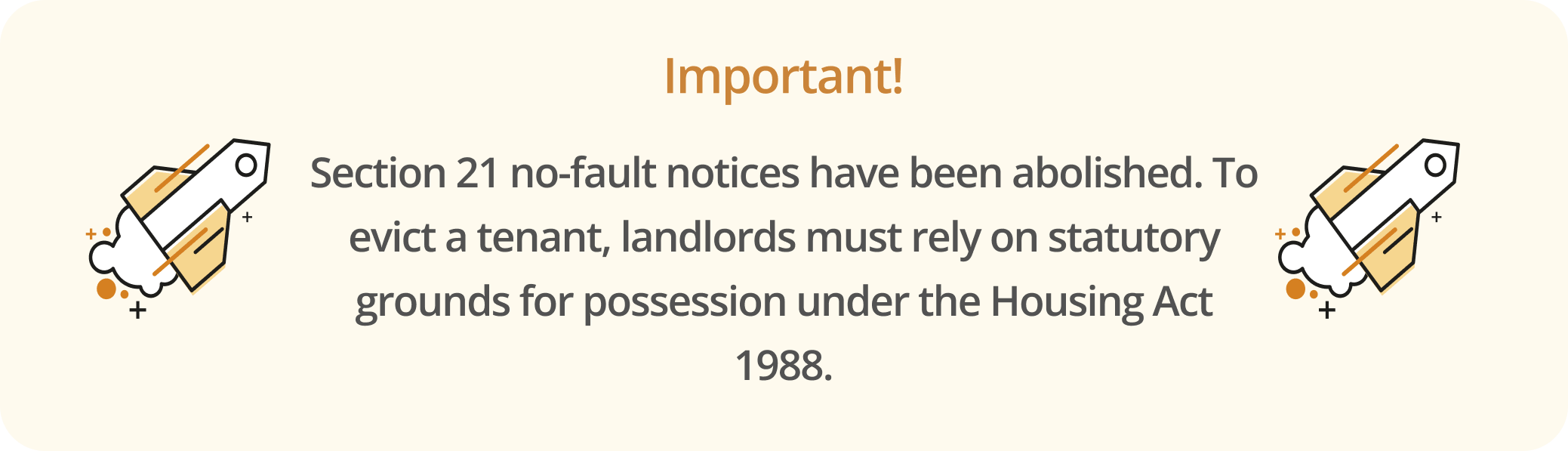
The Renters’ Rights Act 2025 has changed the landscape for tenancies in England by abolishing section 21 no-fault eviction notices. This means landlords cannot end a tenancy without giving a specific, valid reason (ie a ground for possession). Because a landlord can't simply end a tenancy on a whim, the risk of a revenge eviction is greatly reduced.
Landlords can now evict tenants only with a legal ground using Section 8 notices. However, protections against retaliatory eviction still apply if the landlord uses certain grounds, such as wanting to sell the property or move back in. These are often called 'no-fault' grounds under the new system.
Tenants are protected if:
-
you've complained to your landlord or the local council about the state of the property
-
the council has issued an improvement notice or an emergency remedial action notice
-
the landlord serves an eviction notice within a certain timeframe of these complaints
Under the new laws, all existing assured shorthold tenancies (ASTs) in England have moved to a single system of periodic tenancies. This means that even if your tenancy started years ago, you now enjoy the same protections against revenge evictions as everyone else.
What are hazard notices?
Local authorities can take enforcement action where a rental property presents a risk to a tenant’s health or safety. If you report a problem to the council, they may inspect your home. If they find a risk to your health and safety, they will issue a formal notice.
While section 21 notices have been abolished, hazard notices remain vital. If enforcement action has been taken and a landlord subsequently seeks possession, the court may take this into account. If there is evidence of a retaliatory eviction, the court may refuse to grant the landlord a possession order, even if they are using a ground that would otherwise be mandatory.
Improvement notice
An improvement notice may be served by the local authority where a property contains hazards serious enough to require corrective action. These hazards are assessed under the Housing Health and Safety Rating System (HHSRS) and may be classified as:
-
category 1 hazards - the most serious, such as structural issues, exposed wiring, or severe damp or
-
category 2 hazards - less serious but still requiring attention, such as moderate damp or inadequate ventilation
An improvement notice requires the landlord to carry out specified works within a set timeframe.
Once an improvement notice is served, the landlord’s right to use certain eviction grounds (like selling or moving in) is suspended for six months.
Notice requiring emergency remedial action
Where there is an immediate risk to a tenant’s health or safety, the local authority may take emergency remedial action under the Housing Act 2004. This allows the authority to carry out urgent works itself and recover the costs from the landlord.
Just like an improvement notice, it triggers a six-month 'protected period' where the landlord is restricted from using the main ‘no-fault grounds’ for eviction.
The rules protecting you from revenge evictions might not apply if the council decides your complaint is unfounded or if the damage was caused by your own neglect.
Different rules apply to protect lodgers and other excluded occupiers. The landlord should give reasonable notice to leave (verbal or written), and the occupier must leave before the notice period ends.
Retaliatory evictions in Wales
This only applies in Wales.
Under the Renting Homes (Wales) Act 2016, contract holders (also known as ‘tenants’) are prevented from retaliatory evictions. Since 1 December 2022, landlords cannot evict contract holders who have asked for repairs or complained about the condition of their rented dwelling (eg because it is not fit for human habitation). This also applies where a landlord seeks to terminate an occupation contract in reliance on a landlord break clause.
In Wales, the protection is often automatic. If you’ve made a complaint or asked for repairs and your landlord serves you a no-fault notice (ie a Section 173 notice) shortly after, the court can refuse to grant the eviction if they believe the landlord is acting to avoid doing the repairs. You don't always need a council notice first, but having one provides much stronger evidence.
If a court finds that a landlord responded to a request for repairs by issuing a no-fault possession notice, they will not automatically be entitled to repossess the property. Further, if a landlord’s possession proceedings are refused on the ground that it was a retaliatory eviction, the landlord will not be able to serve a new no-fault eviction notice for the next six months.