
What is a viral video?
A viral video is a video that gains popularity on the internet, being widely shared across different platforms (eg TikTok, Instagram, or X), becoming an internet phenomenon. These videos often spread rapidly, reaching millions of viewers in a matter of hours. They can range from funny clips to 'acts of kindness', creative performances, informative content, or footage of public incidents. However, the speed at which these videos spread means that any legal mistakes, like breaching someone's privacy, can escalate quickly.
What are the privacy laws for filming others?
Both data protection law and human rights law protect individuals' privacy online. These laws apply whether you're a business, an influencer, or a private individual.
How do data protection laws protect individuals from being filmed without consent?
The UK’s data protection laws (eg the UK General Data Protection Regulation (GDPR) and the Data Protection Act 2018) protect personal information about particular individuals. This is particularly important, as information about individuals can be more easily found, stored, and used online, sometimes without their knowledge or against their will, through social media.
Data protection laws place restrictions on how organisations and other individuals can handle someone’s personal information. Personal information includes somebody’s image (eg as captured in a photograph or a video recording), if the person can be identified in the image.
If you're capturing and sharing videos of people, you usually need a 'lawful basis' to do so. While personal use is often exempt, influencers or businesses usually need the person's consent.
For more information, read Data protection.
How do human rights laws protect individuals from being filmed without consent?
The Human Rights Act 1998 requires that everybody in the UK has equal rights and freedoms. It contains a more general right to privacy, which protects individuals against unnecessary intrusion into their lives by other people. Specifically, people have the right to respect for their private lives (such as personal matters). This means that individuals shouldn't, for example, have their pictures taken or actions recorded and then have these shared without their consent if these show information about their private lives. For more information, read Human rights law.
For example, 'acts of kindness' videos often involve influencers recording themselves doing a kind action while filming a person ‘receiving’ it. Because these videos often focus on vulnerable individuals or private moments, they can breach a person's right to respect for their private life. If an influencer posts such content without permission, they could face a request to delete the content or even a legal claim for damages.
Where can I legally film in the UK?
In the UK, your right to film depends mostly on whether you're on public or private land.
Can I film on public streets and parks?
You generally have a right to film or take photos on public land, such as a high street, a public pavement, or a council-run park. Because these are public spaces, there is no reasonable expectation of privacy for people walking by, so you don't usually need their permission to record.
However, while you don't always need a permit to stand and record, you may need one to operate a production. Small crews or solo creators often don't need a formal permit, but you should check with the local council if:
-
you are blocking the way
-
you have a large crew working on the recording
-
you are filming for commercial gain
-
you are using a drone
Can I film on private property open to the public?
Many places that feel public are actually private property. This includes:
-
shopping centres
-
railway and tube stations
-
museums and galleries
-
'pseudo-public' squares owned by property developers (like parts of Canary Wharf or King's Cross)
The owners of these spaces can set their own rules. If a security guard asks you to stop filming or leave, you must comply. If you stay and keep filming, you could be sued for civil trespass.
Why do I need to take precautions before posting videos on social media?
If you plan to post videos on social media, take some important precautions to protect yourself legally first.
If a video shows someone in a private place (breaching their right to respect for their private life), you're likely infringing on their rights. In such cases, the person filmed can ask you to take the video down or take legal action to enforce their rights.
Similarly, if such content contains or otherwise reveals personal data (eg someone’s likeness being captured in a video or their name being stated in the caption), the Data Protection Act and GDPR apply data protection principles to the content. In such situations, individuals whose data protection rights have been violated can request that the person who posted the relevant content remove it, report them to the Information Commissioner's Office (ICO), or seek other legal recourse.
You must also be careful about defamation. In England and Wales, the Defamation Act 2013 protects people from content posted without their consent that causes (or is expected to cause) serious harm to their reputation. For example, if you post a video that makes someone look bad without justification, they could sue you. The law is similar in Scotland but follows different specific rules.
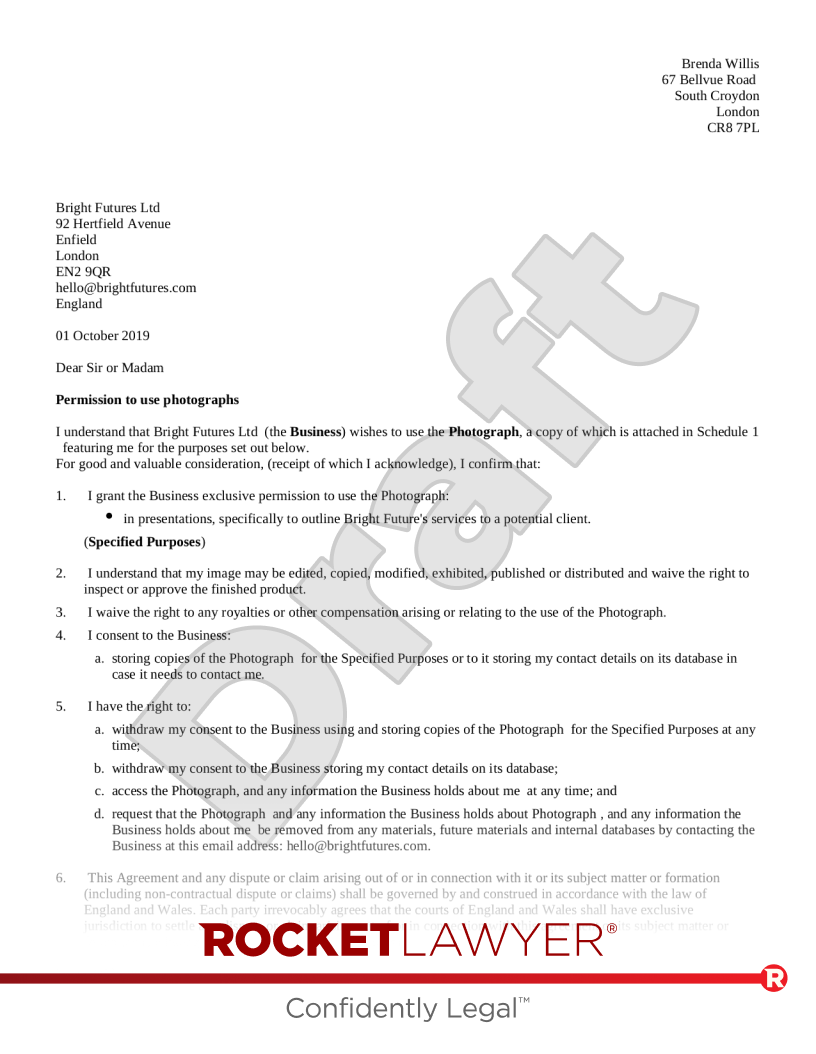
To protect yourself, it's best to have anyone appearing in your videos or other content sign a Model release form, especially if they’re a child.
For more information, read Image rights and our General Data Protection Regulation (GDPR) FAQs.
What else can happen if I don’t follow the law?
Various problems can occur if you post videos online that don’t comply with the law. For example, if you breach data protection law or human rights law, you could be taken to court.
Beyond privacy claims, you could face issues with intellectual property. If your video uses music or clips you don't own, the copyright holder can have your video removed or claim any money you've made from it. Posting discriminatory content can also lead to criminal charges or platform bans.
Is it always illegal to be filmed against your will?
In a public setting, it is not illegal to record someone without their consent. However, the manner in which this is done and the way in which the recordings are used may be illegal. If you're recording in public, it's often safer to hide the faces of people in the background (eg by blurring or pixelating the faces) to avoid privacy issues. Even if there’s no legal issue, privacy is also an ethical concern, which taking steps like this can help you manage.
The scope of privacy law is often limited and only applies to situations where there is a reasonable expectation of privacy. You likely don't have this expectation while walking down a busy high street or taking public transport, but you certainly do inside your own home, or a changing room, or if someone hacks your phone and steals private images.
Even if the publication of images of you is not covered by privacy law, you can take legal action if they are published in a defamatory way.
If someone takes photos or videos you made and shares them without your permission, this could be an infringement of your copyright in those works. In this case, you can also take legal action.
For more information, read How can video recordings break the law. Read How to become an influencer to find out more about becoming an influencer. Remember to get the consent of anyone appearing in your videos, with a Model release form.
If you have any questions or concerns about making or appearing in a viral video, do not hesitate to Ask a lawyer.