
Implement a clear remote working policy
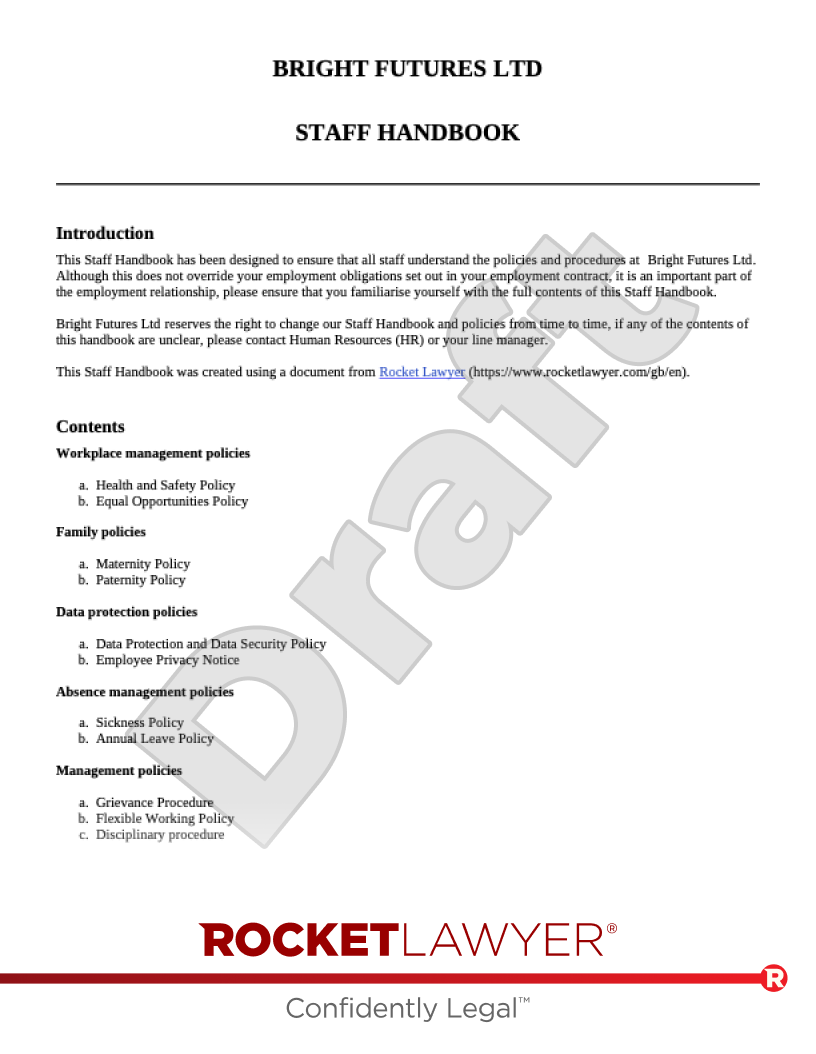
Working remotely comes with some uncertainty, and staff may not know if or when they may be asked to be in the office. To clearly set out what your workplace policies regarding remote working are, you should adopt a Working from home policy or a Hybrid working policy.
A working from home policy sets out an employer’s approach to home working. It serves as an agreement between the employer and the employee, defining who is eligible to work from home, the process for requesting work-from-home arrangements, and the approval process.
A hybrid working policy is similar to a full working from home policy. However, it provides details of the hybrid working arrangement, outlining when employees should work from home and when they should work from the office.
Having a clear and easily accessible policy in place can help put your staff members’ minds at ease.
Encourage clear boundaries
With remote working comes the difficulty that staff no longer have a physical separation between their home and the workplace. Without a commute, which typically marks the start and end of the workday, staff members may struggle to distinguish between their working time and personal time. This can result in staff constantly feeling like they are in work mode and can exacerbate stress levels.
Employers should encourage remote workers to set clear boundaries between their work and personal lives. Managers should emphasise the importance of a clear work-life balance and should encourage staff to stick to their regular working hours and take breaks regularly. If someone is regularly working or sending emails outside of their normal working hours, managers should speak to them to ensure they aren’t struggling or suffering from heightened stress levels.
Stay in touch
A key benefit of office working is the ability to speak to others and ask for support as and when needed. By working remotely, remote workers do not benefit from this.
As a result, employers need to work extra hard to maintain a strong relationship between themselves and their staff members. Managers should schedule regular one-on-one meetings with remote workers and check in with staff to ensure that these meetings meet their needs.
Foster an open working environment
Employers should strive to create an open working environment where staff members feel comfortable discussing any challenges they encounter. One of the main hurdles of remote working is loneliness.
Care must be taken to stay connected with remote staff members, ensuring they are supported and feel comfortable raising any concerns they may have. Employers should foster open conversations about mental health to support their staff. Managers should also be trained to recognise if a member of staff is struggling.
For more information on supporting wellbeing in the workplace, read How to support mental health and wellbeing in the workplace.
Employers need to tailor their approach towards remote workers according to their business and workers’ needs. This will also include complying with health and safety and first aid obligations for any remote workers. Remember that you can always Ask a lawyer if you have any questions or concerns about remote working.