What is a Form TR1?
A Form TR1 is a legal document used to transfer the ownership of a property that is already registered with HM Land Registry. You’ll use this form whether the property is being sold, gifted, or transferred under a court order. It contains all the essential details about the transfer, including who is transferring the property (the ‘transferor’), who is receiving it (the ‘transferee’), the property details, and the price paid (or ‘consideration’). Once completed and signed, the form is sent to the Land Registry to officially update the property’s title register, showing the new owner(s).
When do I need to use a Form TR1?
You’ll need to use a Form TR1 when you are transferring the whole of the property in one or more registered titles or when you are registering a property for the first time.
 A Form TR1 should not be used if only part of a registered title is being transferred. In this case, a Form TP1 is used instead.
Common situations that require a Form TR1 include:
-
selling a property - when you sell your home, your conveyancer will use a Form TR1 to transfer the ownership to the buyer
-
gifting a property - if you're giving your property to a family member without payment, you’ll still need a Form TR1 to formalise the transfer. You can use a deed of gift alongside this (we can draft a personalised deed for you)
-
transferring equity - this is when an existing owner transfers their share (or a portion of it) to someone else. For example, adding a new partner to the property title or buying out an ex-partner's share
-
as part of a relationship breakdown - if a couple separates and the court orders one person to transfer their interest in the family home to the other
-
transferring property to a company - if you're moving a personal property asset into a limited company’s name
What should you check before starting a Form TR1?
Before you start filling out the form, a few key checks can save you time and prevent your application from being rejected.
First, you need to find out if the property has been registered. You can do this by carrying out a search on the Land Registry or by making an application for an official search of the index map (SIM). Once confirmed, you must get an up-to-date official copy of the register. This document is crucial, as it contains important information you’ll need to check, including:
-
any restrictions, such as restrictive covenants, which detail how the property can be used
-
any leasehold clauses that might require the landlord’s consent for the transfer
-
clauses that require a mortgage lender’s consent if the property is mortgaged
How to complete a Form TR1
The form is divided into 12 sections, called 'panels'. It’s important to fill out each one correctly to avoid delays with the Land Registry.
Panel 1: County and District
Enter the county and district where the property is located.
Panel 2: Title number(s)
Write down the property's official title number, which you can find on the title register or in previous conveyancing documents. You only need to fill this in for registered properties.
Panel 3: Property description
Provide the property's postal address, including its postcode.
Panel 4: Date
Leave this blank for now. You should only fill in the date on the day the transfer is completed (ie the day ownership officially changes).
Panel 5: Transferor
Enter the full name(s) of the current owner(s) as they appear on the title register. These are the people transferring the property.
H3: Panel 6: Transferee
Enter the full name(s) of the person or people who are receiving the property. If it’s a company, include its registered number.
Panel 7: Transferee’s address
Provide a correspondence address for the new owner(s). The Land Registry can use up to three addresses, including an email address and an address abroad.
Panel 8: Consideration
This section is for the price paid for the property. If:
-
the property is being sold, enter the total amount paid in both words and figures
-
the property is a gift, and no money is changing hands. You can tick the second box and write ‘The transfer is for no money or anything that has a monetary value’
-
it’s another type of transfer (eg part of a divorce settlement), tick the third box, and briefly explain the circumstances
Panel 9: Title guarantee
This refers to the promises the transferor makes about their right to transfer the property, and includes:
-
full title guarantee is the most common. It means the seller guarantees they have the right to sell the property and that it’s free from undisclosed debts or third-party rights
-
limited title guarantee is often used when the seller has limited knowledge of the property (eg an executor of a will). It’s a less comprehensive set of promises
-
no title guarantee means no promises are given. This is very rare
Panel 10: Declaration of trust
This is a crucial section for joint owners. It sets out how the new owners will hold the property, either as:
-
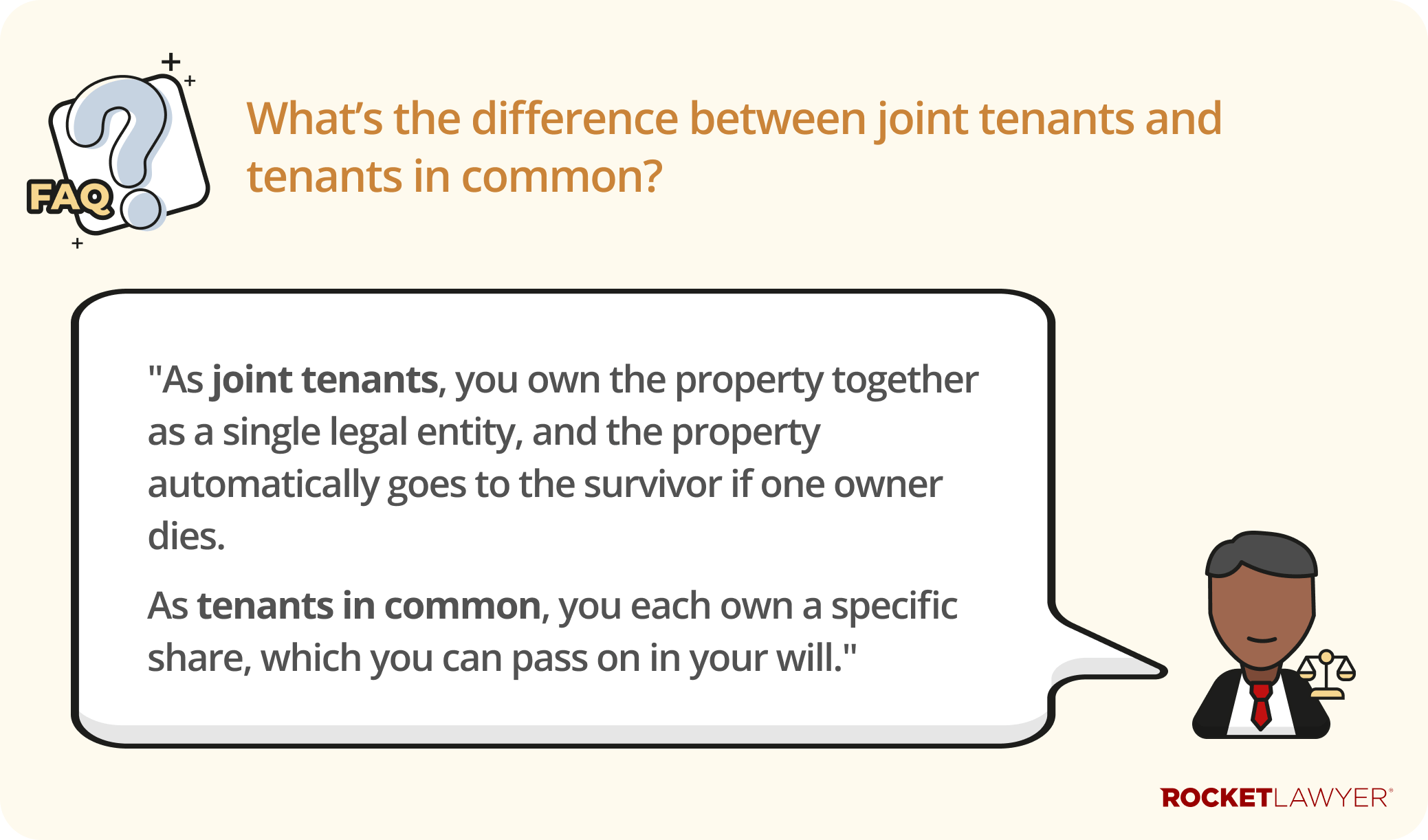
joint tenants - this means the co-owners own the whole property together. If one owner dies, their share automatically passes to the surviving owner(s), regardless of what their will says. This is common for married couples
-
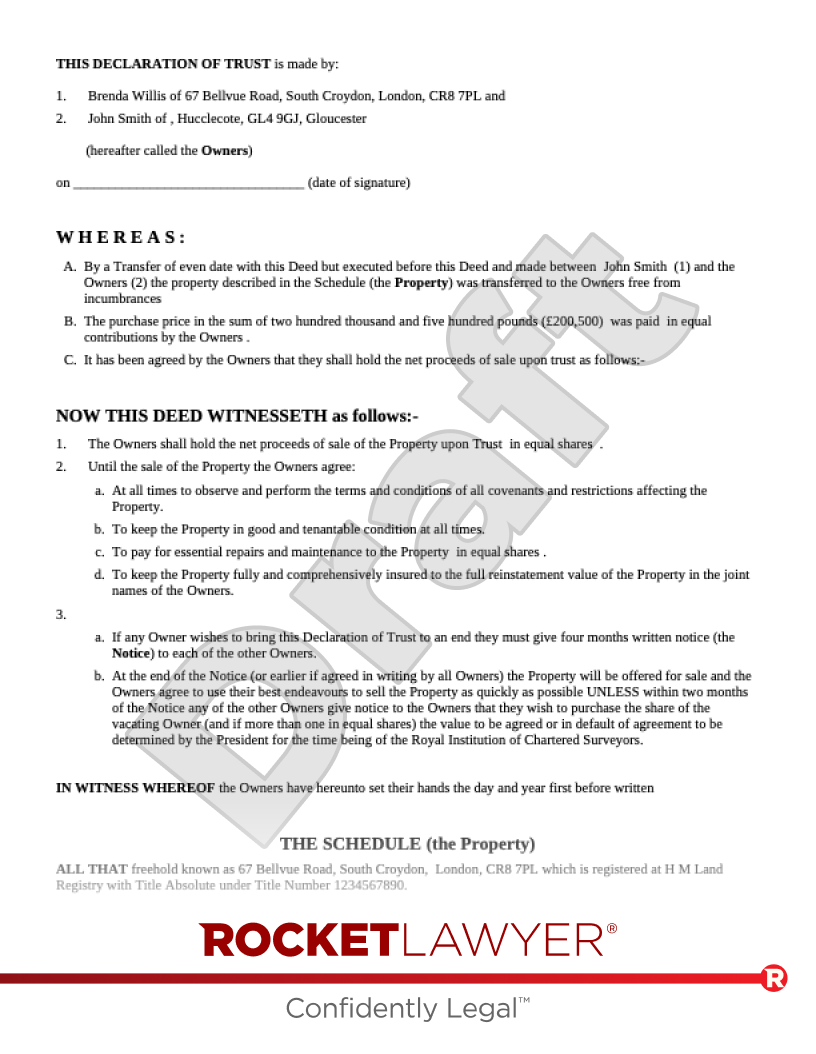
tenants in common - this means each co-owner owns a distinct, separate share of the property. They can decide on the proportions (eg 50/50 or 70/30). When an owner dies, their share passes to whoever is named in their will or via the rules of intestacy. To specify the shares, you can make a Declaration of trust
Panel 11: Additional provisions
Use this section to include any extra agreements or covenants related to the transfer. For most straightforward transfers, you’ll leave this blank. If you're unsure whether you need to add anything here, you should Ask a lawyer.
Panel 12: Execution
This is the signing section. Each transferor and transferee must sign the form in the presence of an independent witness. The witness must be over 18 and shouldn't be a family member or anyone else involved in the transaction. The witness must sign, print their name, and provide their address. For more information, read Execution of deeds.
When does a TR1 form need to be completed?
The Form TR1 is a deed, which means the timing of its completion is legally significant. While you can fill in most of the details (like the names of the parties and the property address) in advance, the form must not be signed and dated until the day of completion.
In property law, completion is the day when the ownership of the property officially transfers from the seller to the buyer. It's the day the buyer's solicitor sends the purchase money to the seller's solicitor, and the seller hands over the keys. Signing and dating the TR1 form before this date is incorrect and can cause complications. The date you enter in Panel 4 should always be the actual completion date of the property transfer.
Common mistakes to avoid when filling out a Form TR1
Mistakes on your TR1 form can lead to it being rejected by the Land Registry, causing significant delays. Look out for these common errors:
-
incorrect names - the names of the transferors in panel 5 must exactly match the names on the Land Registry title
-
leaving the date blank - panel 4 must be completed on the day of the transfer, not before
-
witnessing errors - the signature in panel 12 must be witnessed correctly. The witness can't be a party to the deed (ie the transferor or transferee) and must provide their full details
-
missing the declaration of trust - if there is more than one transferee, panel 10 must be completed to state how they will hold the property. If it’s left blank, the Land Registry will register them as tenants in common by default, which may not be what you intended
-
wrong consideration - make sure the correct value is entered in panel 8, as this is important for stamp duty land tax (SDLT) purposes
Which documents need to be sent with Form TR1?
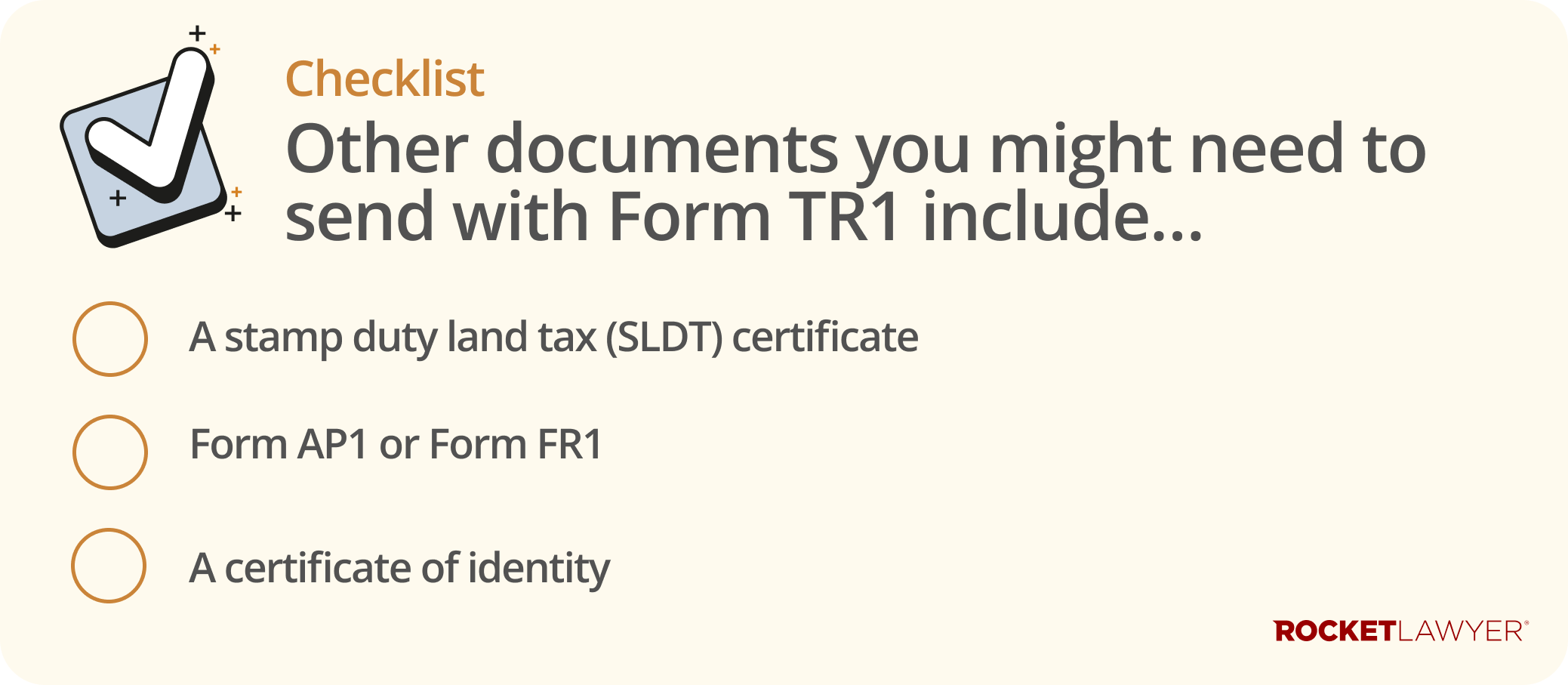
A Form TR1 is just one part of the application. To register the transfer, you’ll also need to send other documents to HM Land Registry. The complete application package usually includes:
-
a SDLT certificate - if you're paying SDLT on the property transfer, you must send a certificate from HMRC
-
application form - you need to complete either Form AP1 if the property is already registered, or Form FR1 if the property is not yet registered
-
identity verification forms - if you're not a conveyancer, you must provide evidence of identity. The required forms depend on how your identity is verified. For verification by a conveyancer, Form ID1 and Form ID2 are used. For verification by a non-conveyancer, you should use Form ID3
You can find more details in the Land Registry’s guidance on completing Form TR1.
For complex transfers, or if you are unsure about any part of the process, do not hesitate to Ask a lawyer for advice. If you are gifting property, use our Bespoke drafting service for a custom deed of gift to record the transaction clearly.