
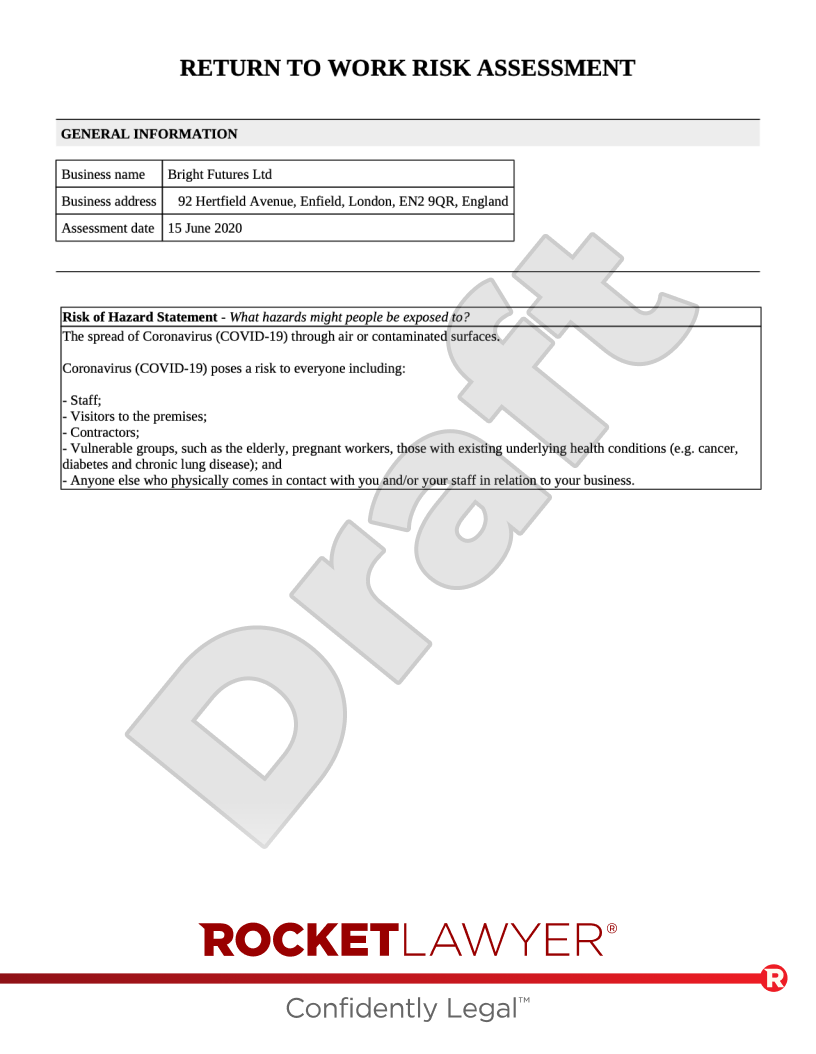
Why is air quality important to employers?
Many employers are unsure of whether poor air quality is actually a breach of health and safety law. Indoor air quality (IAQ) directly affects employee health, focus, and comfort, which means that poor air quality can be linked to symptoms like headaches, fatigue and a loss of productivity. It can also be responsible for Sick Building Syndrome, which is a recognised workplace issue caused by stale or polluted air.
Legal duties around air quality in the workplace
All employers have certain legal responsibilities that they must adhere to with regard to their employees’ health. The Health and Safety at Work Act 1974 places a general duty on employers to ensure the health, safety and welfare of their employees, whilst the Workplace (Health, Safety and Welfare) Regulations 1992, Regulation 6 requires that workplaces have a sufficient supply of fresh or purified air.  Ventilation and thermal comfort are specifically covered within these regulations, and state that employers are expected to maintain the air at a reasonable temperature and quality.
Landlords of commercial properties may also share these responsibilities, particularly in multi-tenant buildings or where HVAC (ie heating, ventilation, and air conditioning) systems are centrally controlled. It is easy to assume that these laws might just apply to factories or high-risk sites, but they are also relevant in most kinds of businesses, including offices, call centres and shared workspaces.
It is therefore essential that every employer understands that IAQ forms part of their broader duty of care to create a healthy and safe work environment.
The legal and financial risks of non-compliance
It might be tempting to ignore issues like IAQ, but there are some real-world consequences of doing so. Poor indoor air quality can lead to a range of respiratory problems, as well as the worsening of asthma symptoms, headaches and reduced concentration, which in turn can all contribute to the problem of absenteeism and lost productivity for a business.
There is also the potential for legal claims and liabilities, as workers could make personal injury claims against the business if long-term exposure to poor air quality contributes to an illness. There is also a risk of employee grievances or whistleblowing if the management of a business is thought to be ignoring concerns about air quality. Complaints made to the Health and Safety Executive (HSE) could trigger inspections or enforcement action.
Alongside this are a range of financial and reputational risks, such as negative publicity, loss of workforce trust, or insurance complications, which can all have a knock-on effect on the way your business is viewed. Any potential breach of duty claims could lead to civil liability or enforcement notices being issued. Failing to manage IAQ is not just bad for staff morale; it is also a tangible business and compliance risk that can damage reputations and balance sheets.
Using smart sensors to monitor and mitigate risk
Environmental monitoring is a practical and non-promotional solution to the question of indoor air quality. Traditional ventilation checks will often rely on periodic inspections, which can miss problems that occur between maintenance visits.
Smart air quality sensors can be used to provide continuous monitoring of key metrics such as carbon dioxide levels to indicate ventilation effectiveness, and the level of volatile organic compounds (VOCs) that can come from things like cleaning products, furnishings or equipment. They can also be used to measure humidity and temperature, which can affect comfort levels and the spread of pathogens.
These smart sensors work by sending automatic alerts when their readings fall outside of any safe parameters, allowing for early intervention before the staff notice any issues. They can then be used to create a digital record or audit trail, which is valuable evidence if an employer ever needs to demonstrate their due diligence or compliance.
Pressac-style systems can be used as discreet and scalable solutions that integrate with modern building management without disruption. This type of technology is vital in helping to reduce risk through visibility and accountability.
What should employers do now?
Employers should conduct or review a Workplace risk assessment to make sure it specifically includes air quality and ventilation as key factors. Where you have five or more employees, you must document any hazards in a workplace, including where hazardous substances might affect the air quality. You will also need to monitor any high-risk or enclosed spaces such as meeting rooms, basements and areas without natural air flow. This should be followed by the installation or integration of air quality monitoring to help track carbon dioxide, humidity and pollutants over time.
All employers should record and act on their air quality data, documenting any maintenance actions or improvements that have been made to demonstrate compliance. It is also important to service your HVAC systems regularly by cleaning the filters, calibrating sensors, and verifying airflow. Staff should also be trained to recognise and report any symptoms of poor air, such as headaches, drowsiness and irritation, allowing employers to act promptly.
Your policies should be reviewed on an annual basis, especially if the workplace layouts or occupancy levels change. Pro-active monitoring demonstrates due diligence, reassuring both employees and regulators that the business takes its legal responsibilities seriously.
All employers need to understand that clean air is both a legal and moral responsibility, not a workplace perk. Good air quality is essential for protecting the people within the business as well as supporting productivity and safeguarding the business from any legal or reputational damage.
A preventative mindset can be important as investing in monitoring and maintenance today will prevent far costlier issues from occurring tomorrow. When it comes to air quality, compliance and care go hand in hand, because a healthy workplace is also a legally sound one.