
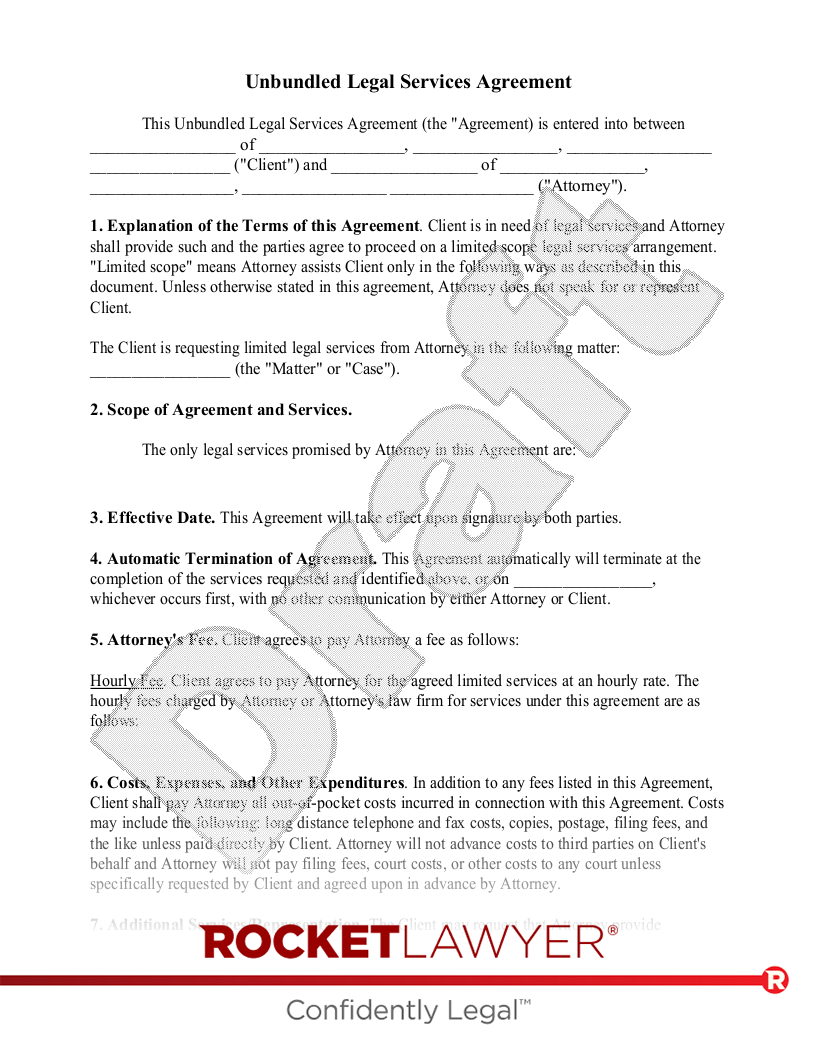
Hourly Rate
Some attorneys charge by the hour. Although the actual rate varies dramatically depending on location, experience, and case type, it's important to note that you will not only pay for the hours your lawyer spends in court, but the time he or she spends researching, writing motions, meeting with opposing counsel, reviewing discovery, etc. Also, keep in mind you will pay for the lawyer's support staff, including paralegals and legal secretaries, though at a rate below what the lawyer themselves will charge. An experienced attorney should give you an estimate of the time he or she believes the case will take.
Contingent Fee
A contingent fee—sometimes referred to as working on "contingency"—means that your attorney will take a certain percentage of monetary settlements and damages you receive from your case. Contingent fees are typically charged in civil suits, such as medical malpractice and personal injury litigation. A typical fee is 33%, but can vary by state or by case.
Flat fee
For more cut-and-dry matters, attorneys will often charge a flat fee. Preparing a Living Will or a simple Bankruptcy are good examples. Although the fee should be laid out at the beginning of your relationship, make sure you understand what the fee does and does not cover. For example, in some instances, filing fees will not fall under the flat fee's umbrella.
Retainer
Retainers can be more complicated. Typically, a retainer is lump sum you will pay up front from which the lawyer will deduct his or her hourly expenses. Often, your retainer reserves a certain amount of hours or services from your lawyer as well helping solidify the case-long relationship of the attorney and you, the client. There are many different kinds of retainers as well as different pay schedules, so make certain you understand your agreement up front.
Some of the above payment agreements are not applicable to all sorts of law. For example, a lawyer cannot charge you contingent fees if you're being charged in a criminal case, as you will not be awarded damages. Whichever fee agreement you select, make sure you understand it up front and get the parameters in writing.
Please note: This page offers general legal information, but not legal advice tailored for your specific legal situation. Rocket Lawyer Incorporated isn't a law firm or a substitute for one. For further information on this topic, you can Ask an Attorney.


