
What is the global supply chain, and how does it affect big and small businesses?
The global supply chain is a worldwide network that businesses use to produce, move, and sell goods and services. It includes raw material sourcing, manufacturing, transportation, warehousing, and distribution. While the concept is straightforward, the system itself is complex and relies on many interconnected players.
For small businesses, the global supply chain can create valuable opportunities. It allows access to specialized materials, competitive pricing, and customers across borders. However, this interconnectedness also introduces risk. When one link in the chain is disrupted, the effects can ripple outward and impact suppliers, distributors, and customers downstream.
One commonly cited example is the ongoing shortage of computer chips. This challenge highlights how multiple overlapping factors—such as increased demand, trade restrictions, limited manufacturing capacity, and environmental events—can strain the supply chain. When production cannot keep pace with demand, shortages emerge and affect industries far beyond the original source of the problem.
Even if your business does not directly source products internationally, your suppliers may rely on global networks. Delays or shortages affecting one industry or region can still impact your operations. A disruption that begins thousands of miles away can ultimately affect your inventory, pricing, and customer satisfaction.
How can I plan for global supply chain disruptions?
Having a plan—even a flexible one—is better than reacting after a disruption occurs. Because supply chains vary by industry, every business’s strategy will look a little different. However, there are several general steps small businesses can take to prepare.
Focus on communication
In general, keeping open communication with your suppliers and customers is important. You may want to warn clients ahead of orders when there might be problems. As soon as you know you might have stocking problems, you can let your clients know with an Out of Stock Item Letter or by other means.
Understand your supply chain
Many small business owners do not know where in the world their supplies come from. Ask your suppliers for this information so you can have a better idea of whether disruptions in certain locations will affect you.
Protect yourself with supply contracts
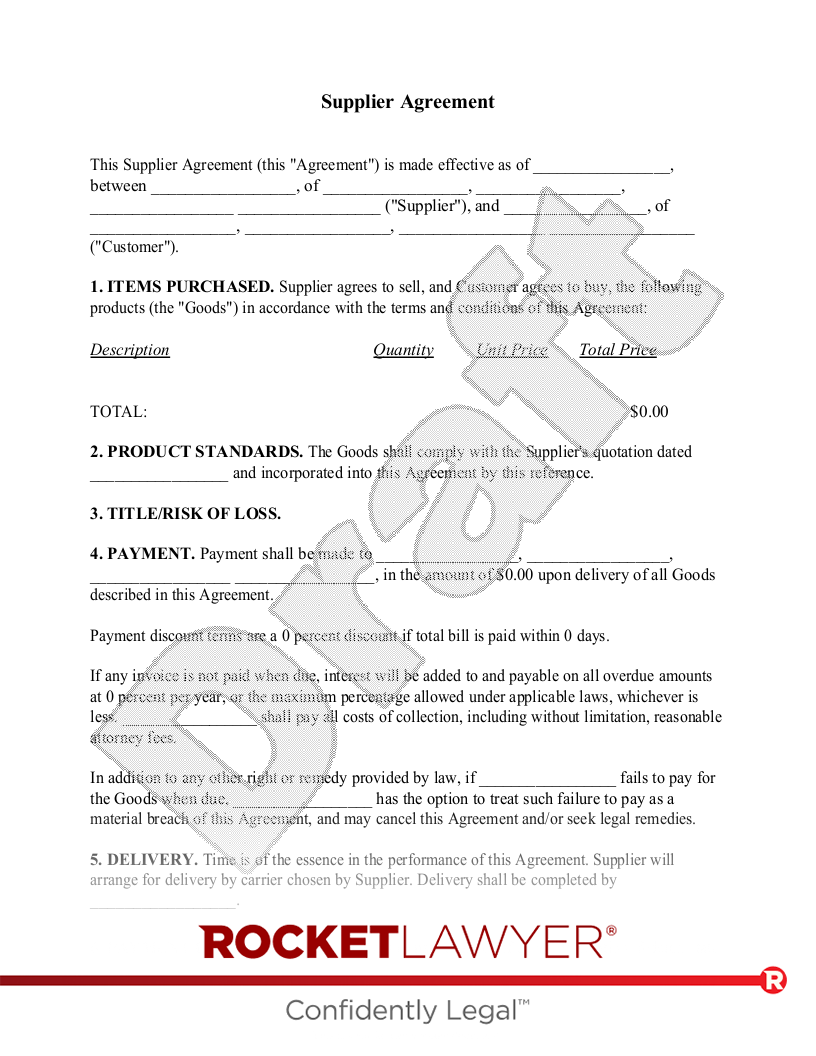
A supply contract is not likely to help you avoid supply chain problems. But it might give you a way to get back any losses you experience because of supply chain problems. It is wise to have a Supply Contract in place with your suppliers.
Use contracts that favor you
If you have regular contracts with your customers, you might want to add a statement that lets you get out of the contract because of supply chain problems. You can add this right into every Purchase Agreement. In addition, your Service Contracts can have this kind of language in them as well.
Are there any affordable technology options that can help with supply chain issues?
Lots of software options are available for companies who want to keep a close eye on their stock and suppliers. Of course, what you think is affordable might not be an option for someone else.
Still, supply chain software can help you:
- Plan for changes in demand and spot patterns.
- Track orders and delivery scheduling.
- Find suppliers.
- Manage warehouse activities more efficiently.
- Address returns and damaged goods.
The technology your company needs to track your supply will likely depend on your size, goals, and industry. If you are thinking about using supply chain software, it is a good idea to look at features and product reviews specific to your industry.
Should I work with more suppliers and business partners?
As a small business owner, you may rely on just one or two suppliers for most of your needs. Relying on the same company for your ongoing needs makes it easy to keep your supplies on hand. However, you may end up in a pickle if your supplier suddenly cannot provide the products you need.
Instead, you might want to form relationships with several suppliers. Expanding the number of your suppliers can give you a backup plan if your first-choice supplier runs into problems.
Still, it may not make sense for every business to use more suppliers. As you add suppliers, ordering and tracking can become more complicated. You may need to think carefully about timing, quality, and cost if you want to add more suppliers.
How should I tell my customers about supply chain problems?
Being honest and direct with your customers is often the best practice. Providing information is usually better than avoiding the conversation, and it can go a long way to build and keep customer relationships.
Some good steps to take could include providing details about the shortage and what you know about the issue, and to update customers often. You can explain what you are doing to correct the issue, or how you plan to fix problems the delay may cause your customers.
If you have questions about the legal impact of supply chain disruptions to your company, reach out to a Rocket attorney for answers to your questions and affordable legal advice.
Please note: This page offers general legal information, but not legal advice tailored for your specific legal situation. Rocket Lawyer Incorporated isn't a law firm or a substitute for one. For further information on this topic, you can Ask an Attorney.


