
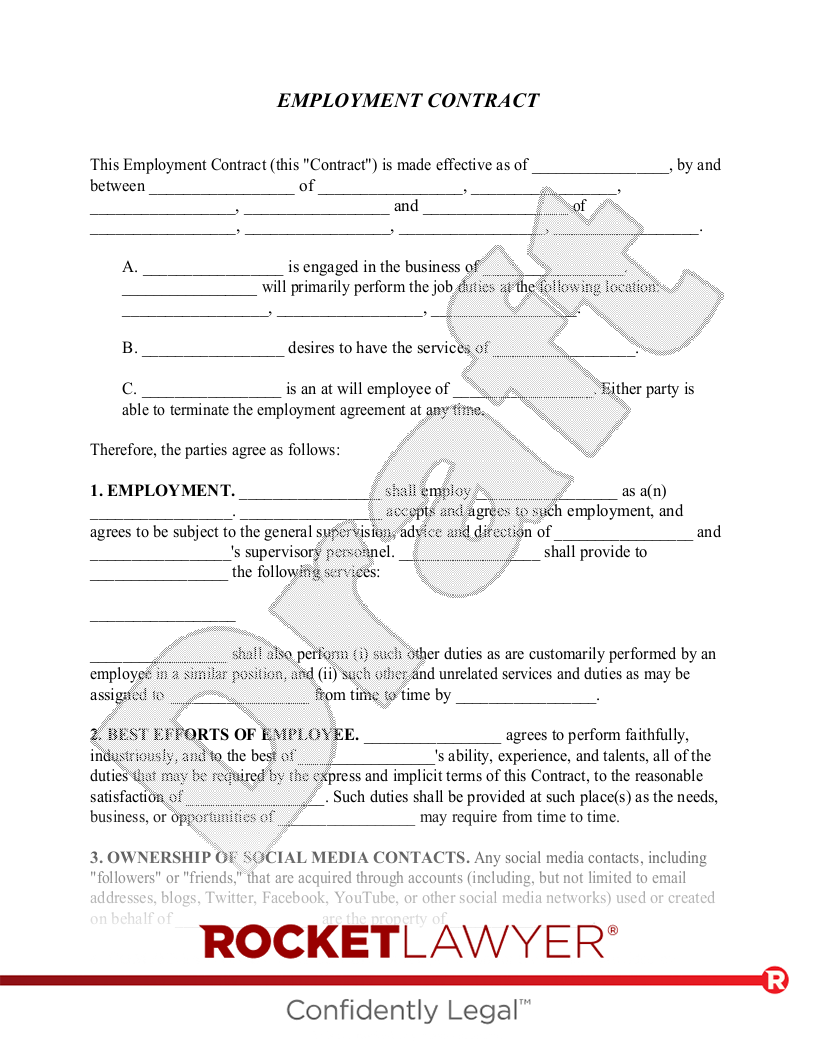
Despite this broad definition, employment law has modified the rules to provide some protections to employees. In theory, those laws have been taken to mean that employers cannot fire employees based on their age, gender, or whistleblowing activities. These are sometimes known as the public policy exceptions.
However, these exceptions are not recognized in several states, including Alabama, Georgia, Louisiana, Nebraska, New York, and a few others. The lack of recognition doesn't mean that employees have no options in those states. It simply means that they can't pursue legal action at the state level. Instead, the case must be initiated in the federal courts. In practice, even in states that recognize public policy exceptions, it can be difficult to prove violations in court. When an employee is hired under at-will employment, the burden of proof in an unlawful termination suit lies with that employee: The employee, as the plaintiff, must prove that he or she was fired for a prohibited reason or in violation of federal law.
For employers, at-will employment means they can generally fire anyone they want, for any reason, even for something as simple as not liking an employee. For employees, this means they have no guarantee of a job. Public policy exceptions can provide some relief in the courts, but proving a violation of one of these rules can be difficult.
Please note: This page offers general legal information, but not legal advice tailored for your specific legal situation. Rocket Lawyer Incorporated isn't a law firm or a substitute for one. For further information on this topic, you can Ask an Attorney.


